This initiative represents the initial project to advance under Canada's updated staged framework for tidal stream energy development. The approach integrates environmental safeguards with clear guidelines for project proponents, as explained by FORCE.
The regulatory process, shaped by the federal Tidal Task Force on Sustainable Tidal Energy Development involving DFO and Natural Resources Canada, enables commencement with one turbine accompanied by monitoring. Subsequent units may follow based on gathered environmental observations and evaluations.
“This decision shows that regulation, science and responsible development can come together to fight the challenge of climate change,” said Lindsay Bennett, Executive Director of FORCE.
“FORCE is committed to supporting it all: meeting the highest standards of environmental monitoring, advancing the science that helps protect marine life, and responsibly unlocking the enormous potential of the Bay of Fundy for clean energy and economic growth.”
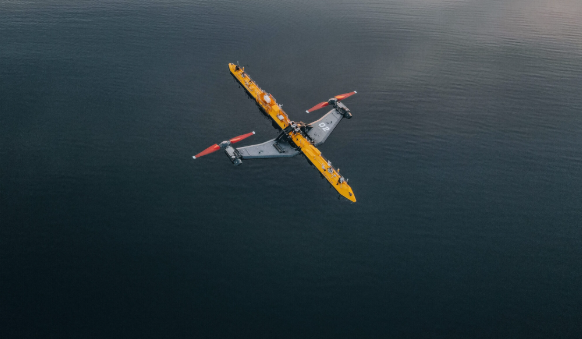
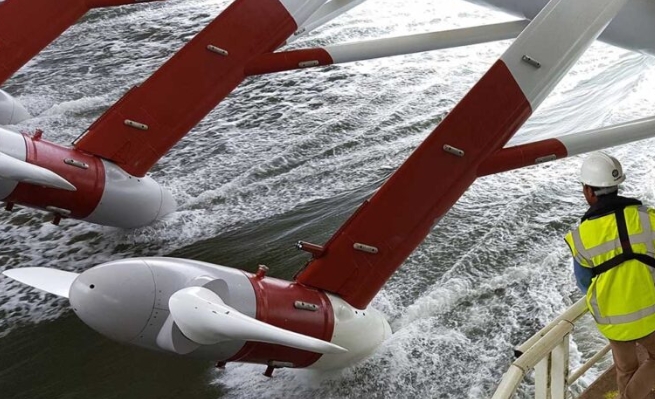
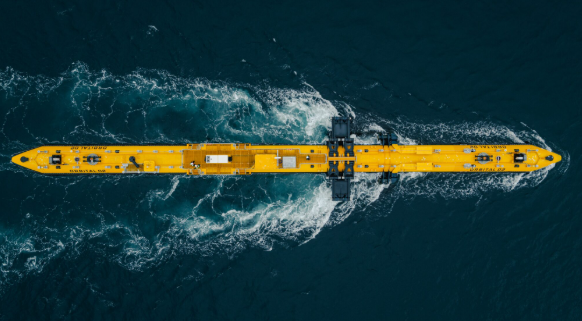
Eauclaire Tidal, in partnership with Orbital Marine Power, will position the floating O2-X turbines at the designated FORCE test berth. Each turbine produces approximately 2.5 megawatts, sufficient to supply power to about 2,000 households. The full array of three units is projected to contribute 7.5 megawatts to the electrical network in Nova Scotia, aiding the province's renewable energy objectives.
“This authorization is an important step forward for tidal energy in Canada,” stated Jane Lowrie, President of Eauclaire Tidal Limited Partnership.
“It shows what’s possible when regulators, researchers, and developers work together toward the same goal – clean energy that respects the marine environment. DFO’s Staged Approach gives us a clear and practical pathway to advance responsibly, guided by science and strong partnerships. We’re proud to be part of this new chapter in the gold standard for tidal power – the Bay of Fundy.”
The FORCE facility serves as a key location for testing tidal energy technologies and conducting marine research. It facilitates demonstrations of device performance in high-flow conditions while prioritizing ecosystem studies.
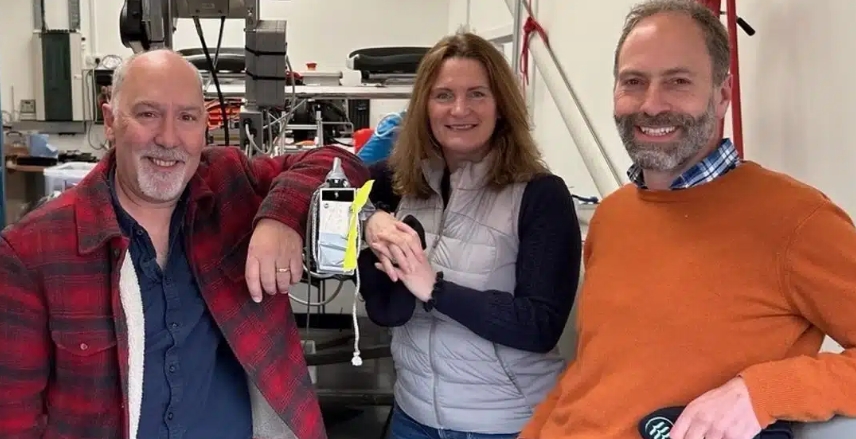
An ongoing collaboration, the Ocean Sensor Innovation Platforms project, involves FORCE, Acadia University, the Confederacy of Mainland Mi’kmaq, and the Ocean Tracking Network. This effort focuses on methods to assess interactions between fish and turbines in rapid tidal streams. A specialized floating platform for environmental data collection is in preparation to align with the staged regulatory model, according to FORCE.
“Nova Scotia is leading the way in marine renewable energy. The Bay of Fundy’s tides are a unique, world-class resource – and with the right balance of science, regulation, and investment, they can help power our province for generations. This authorization reflects the strong partnerships that are moving Nova Scotia’s clean energy transition forward, and bringing jobs and investments to our communities,” added Tim Houston, Premier of Nova Scotia.
The authorization supports progressive deployment, starting with monitored installation to inform larger-scale implementation. Data from initial operations will guide decisions on expanding the array, ensuring minimal impact on aquatic species.
Tidal stream technology harnesses predictable ocean currents to generate electricity without emissions during operation. The Bay of Fundy's exceptional tidal range provides ideal conditions for such systems, offering a consistent renewable source.
Collaborative monitoring programs include acoustic tracking, underwater imaging, and behavioral studies of marine life. These initiatives build a comprehensive understanding of environmental effects, supporting evidence-based project progression.
The partnership model exemplifies integrated planning among government agencies, academic institutions, indigenous groups, and industry participants. Shared expertise enhances safety protocols, data accuracy, and community benefits.
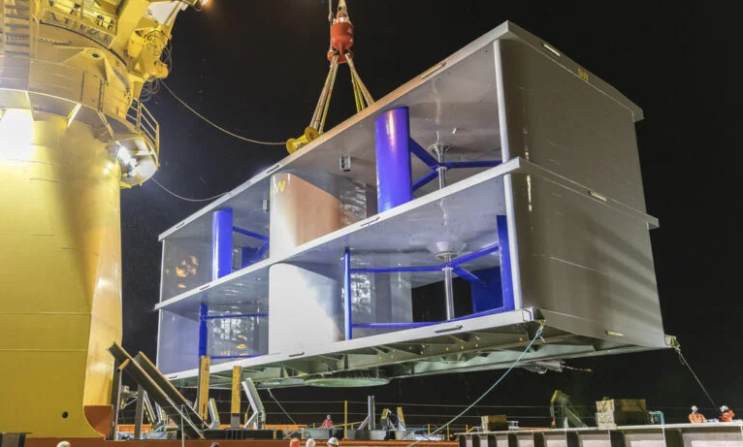
As the project moves forward, infrastructure preparations at the site will accommodate turbine mooring and grid connection. Subsea cables will transmit generated power to onshore facilities for distribution.
This development contributes to Nova Scotia's strategy for diversifying energy supplies through local resources. It also creates opportunities for skilled employment in engineering, operations, and research fields.
The staged framework allows for adaptive management, where real-time findings adjust deployment plans. This method balances innovation in clean energy with conservation priorities in sensitive coastal zones.
Overall, the authorization marks a milestone in demonstrating viable tidal power integration, with potential applications beyond the region. Continued cooperation will be essential for realizing the full capacity of this renewable asset while maintaining ecological integrity.