This investment targets the expansion of underwater fiber networks and localized data processing facilities in northern Brazil, particularly in regions with limited prior access to advanced connectivity. The funding draws from the IDB’s Amazonia Forever program and the European Union’s Global Gateway initiative. The cost distribution assigns 47% to the IDB, approximately 33% to the AFD, and the balance to state authorities. The support aims to accelerate the construction of high-bandwidth systems, overcoming obstacles posed by the area's rugged terrain and transportation difficulties.
Key elements include the installation of 350 to 500 kilometers of subsea fiber cables in Maranhão, paired with a regional data center designed to handle governmental operations, cloud computing, and durable data storage solutions. In Pará, an additional 425 kilometers of undersea cabling will connect inland areas to the Atlantic shoreline. These pathways will integrate with the international EllaLink network through a fresh landing station in Salinópolis, granting the eastern Amazon region straightforward connections to overseas bandwidth and improved transmission pathways.
The effort is anticipated to deliver stable internet service to roughly 15 million people across the two states, with many experiencing it initially. Benefits will reach 350,000 students, 250 quilombola communities, 110 Indigenous villages, and more than 100 riverside communities.
IDB president Ilan Goldfajn remarked: “Providing high-speed connectivity in remote Amazon regions is essential for unlocking new economic opportunities, enhancing education and healthcare services, and building resilience to climate and environmental pressures,” he said.
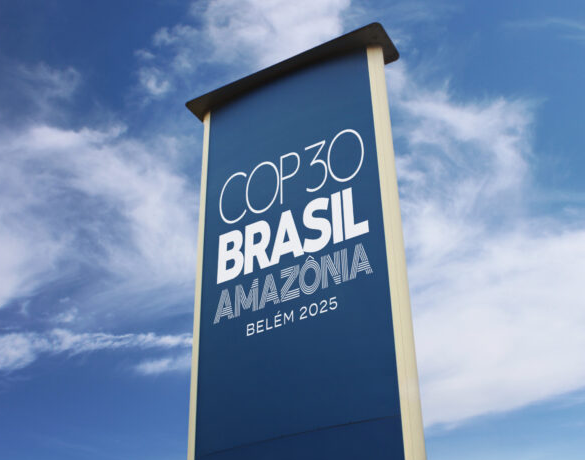
The COP30 gathering emphasized the critical role of digital systems in addressing environmental challenges. Beyond commercial applications, data storage sites, ocean-floor cables, and network expansions are now viewed as foundational components of comprehensive climate responses.
Notable developments included the introduction of the Green Digital Action Hub, backed by 82 nations and over 1,800 participants, to synchronize technology advancements with sustainability goals. Similarly, the establishment of the Climate Institute underscored the demand for robust computational capabilities in tracking weather patterns, simulating scenarios, and implementing adaptive measures, creating opportunities for data hubs in underserved locales.
Discussions at the summit also focused on fortifying infrastructure against environmental risks. Communication lines, storage installations, and energy provisions face threats from events like flooding, extreme temperatures, and outages. For operators of data centers and subsea lines, this necessitates strategic choices in location, temperature regulation, power optimization, and operational continuity to foster durable constructions.
This partnership exemplifies coordinated international efforts to bridge connectivity gaps in challenging ecosystems. By prioritizing inclusive access, the project supports educational platforms, telehealth services, and economic ventures that rely on digital tools. Enhanced bandwidth enables real-time data sharing for resource management and community coordination.
The integration with global networks like EllaLink reduces latency for cross-continental exchanges, benefiting research collaborations and commerce. Local data centers minimize data travel distances, lowering energy use and supporting sovereign control over information processing.
In alignment with COP30 themes, the initiative incorporates sustainable design principles, such as energy-efficient cooling and renewable power integration. Monitoring protocols will assess impacts on local biodiversity, ensuring alignment with conservation standards.
State contributions facilitate site preparations and regulatory approvals, streamlining deployment. The phased rollout begins with cable laying, followed by facility commissioning, to manage logistical complexities.
Ultimately, this development positions northern Brazil as a node in the global digital framework, empowering residents with tools for innovation and adaptation. As connectivity expands, it fosters equitable growth, aligning technological progress with ecological stewardship. The model's success could inspire similar ventures elsewhere, demonstrating how targeted investments yield widespread benefits in remote areas.