In response, the American Feed Industry Association (AFIA) urged lawmakers, trade representatives, and the food and agricultural sectors to work together to reduce risks of potential supply disruptions. Constance Cullman, AFIA president and CEO, said: “For many years, the animal feed industry has warned that China’s growing and dominant influence over the vitamin and amino acid supply chain creates serious risks for the food security of Americans, farmers, and the animals that feed us. The new IFEEDER data makes it impossible to continue ignoring this threat.”
The report examined global flows of vitamins and amino acids and consulted nutrition experts to assess how even small reductions in supply could impact animal health and production of meat, milk, and eggs. Critical nutrients analyzed include vitamins A, B1, B2, B3, B7, B12, D3, and E, as well as lysine, threonine, tryptophan, and methionine.
Data from 2020–2024 show that the U.S. relies on China for 78% of imported vitamins and 62% of global production of amino acids used in feed, pet food, and pharmaceuticals. For some ingredients, such as biotin, China supplies 100% of the market. AFIA notes that U.S. alternatives are extremely limited.
To ensure resilience, AFIA plans to work with industry partners to identify the most critical vitamins and amino acids and develop strategies for diversifying supply chains. The organization seeks collaboration with the White House, Congress, and the industry to prevent production losses and declines in food output. Cullman emphasized: “Addressing the potential threat to supply chains requires joint efforts from the industry and all levels of government. The animal feed industry greatly appreciates the efforts of the Trump administration and lawmakers in discussing this vital issue and looks forward to working with all participants in the food chain to create science-based solutions that ensure a reliable future for food and feed supplies.”
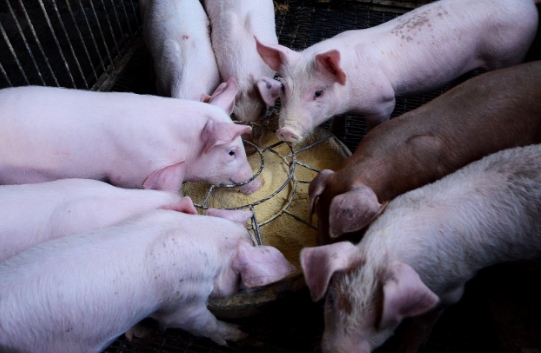
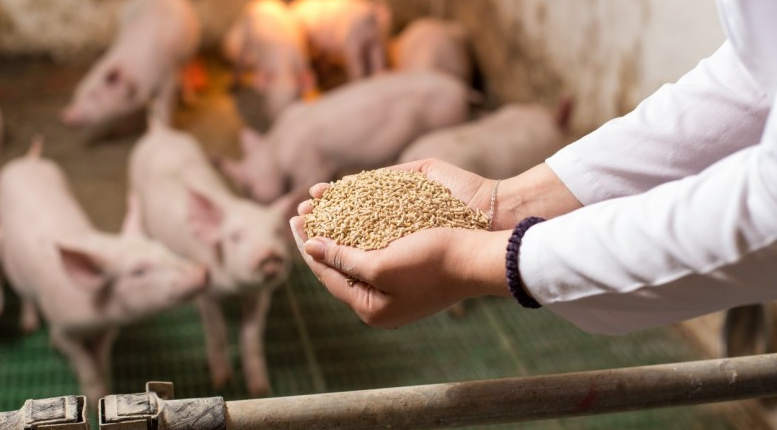
Vitamins A, D, and E are especially important for livestock and poultry growth and productivity, with diets formulated based on decades of research. U.S. feed contains about 425,236 tonnes of four major amino acids and 48,903 tonnes of supplemental vitamins annually. In 2023, U.S. livestock and poultry consumed approximately 250 million tonnes of feed, with vitamins and amino acids critical for efficient production.
Shortages can have cascading effects. For example, lysine impacts egg size, shell strength, and protein quality, influencing both quantity and shelf stability of eggs. Adequate vitamin A helps animals reach market weight efficiently, ensuring stable protein supply. Even though vitamins and amino acids make up a small portion of feed, their availability directly affects animal-based food production, which is essential for U.S. nutrition.
The report underscores the importance of proactive measures to diversify sources and maintain reliable supply chains for vitamins and amino acids critical to U.S. food security.