A logo of the Exxon Mobil Corp is seen at the Rio Oil and Gas Expo and Conference in Rio de Janeiro, Brazil September 24, 2018.
Across Europe, chemical producers have been facing increased pressure due to rising energy expenses and aging facilities. The sector is the European Union’s fourth-largest exporting industry after machinery, automotive and pharmaceuticals. Higher costs have intensified the region’s dependence on imported feedstocks such as ethylene and propylene, which are essential for chemical production. These trends have challenged the profitability of several facilities in the region.
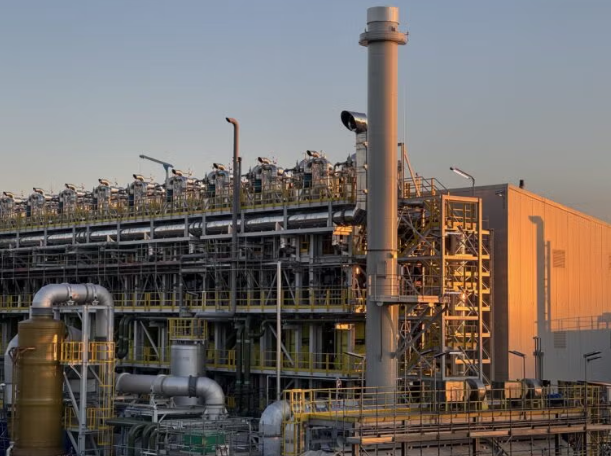
According to Exxon Mobil, the closure will affect 179 company employees and about 250 contractors. The company said around 50 employees will be offered transfers to its Fawley Petrochemical Complex. In its statement, the company noted that it had evaluated multiple options to maintain operations at the plant and also explored the market for a potential buyer.
Exxon Mobil stated: "FEP has been a cornerstone of chemical production in the UK for 40 years, and its closure reflects the challenges of operating in a policy environment that is accelerating the exit of vital industries, domestic manufacturing, and the high-value jobs they provide." The company said this assessment contributed to its decision to move forward with the shutdown.
The planned closure also comes amid broader changes in Europe’s refining sector. Several companies have been reducing refining activities, closing facilities or converting them to different uses as market conditions evolve. Grangemouth, the only oil refinery in Scotland, stopped crude oil processing in April. In July, Energy Minister Michael Shanks said Britain’s insolvent Lindsey refinery would shut down after the facility was unable to secure a buyer.
Exxon Mobil’s decision to discontinue operations at the Fife plant underscores the challenges facing the European chemicals and refining industries as they contend with cost pressures, infrastructure issues and shifts in regional demand.