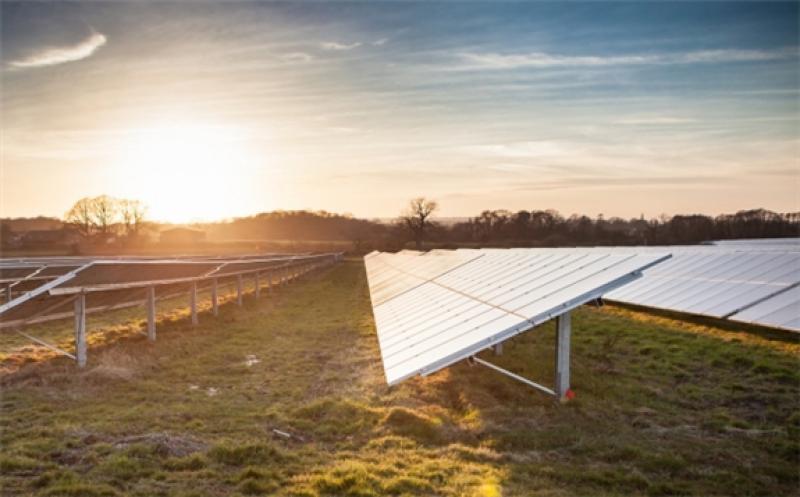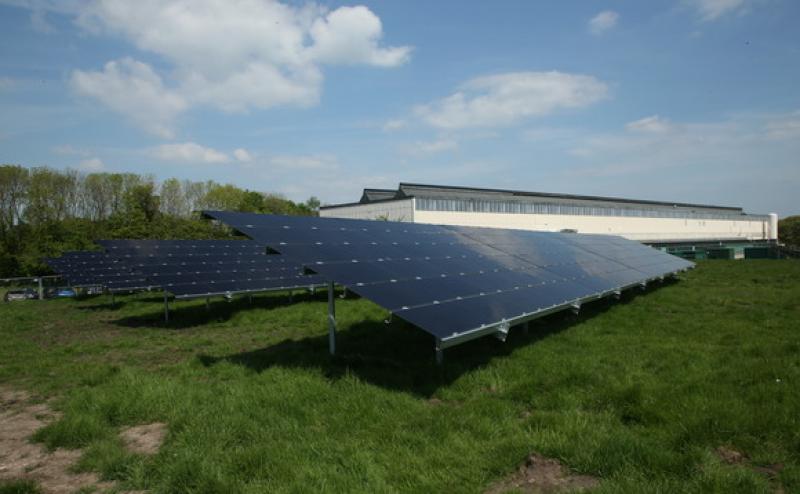
Solar panels are seen in Marcoussis near Paris, France, February 12, 2024.
Solar power plays an important role in Europe’s efforts to adopt more environmentally friendly energy sources and reduce reliance on traditional energy imports. Data released in July indicated that the European Union’s expansion of solar capacity was on pace for its first annual slowdown in over ten years, making new investment projects particularly significant for future supply.
According to HoloSolis, the Sarreguemines-Hambach plant is expected to become fully operational by 2030. Once completed, it aims to produce enough solar modules to supply electricity for approximately one million homes. The project is designed to achieve an annual production capacity of 5 gigawatts and generate around 2,000 direct jobs, contributing to regional industrial development.
The latest financing round brought together several companies, including Cales Technologie, InnoEnergy, TSE, Groupe IDEC, Armor Group and Heraeus. These participants are contributing capital and technical expertise to advance the project through its development stages. The funding will allow HoloSolis to proceed with construction activities and expand manufacturing capabilities in line with long-term energy planning.
InnoEnergy France CEO Karine Vernier said: "HoloSolis embodies the ambition we have had since day one: a strong and sovereign European solar industry." Her comment reflects the view of project supporters who see the initiative as part of a broader effort to strengthen Europe’s renewable energy supply chain.
The new factory is expected to help increase the availability of solar panels produced within Europe, supporting both domestic consumption and regional industrial goals. As investments in solar energy continue, companies involved in the sector aim to maintain stable growth and address potential supply constraints that could arise from fluctuations in global markets.
HoloSolis’ financing achievement marks a significant step in advancing a project intended to expand the continent’s solar manufacturing capacity. With operations planned to ramp up toward 2030, the initiative aligns with Europe’s long-term energy transition objectives and its efforts to enhance sustainable power production.