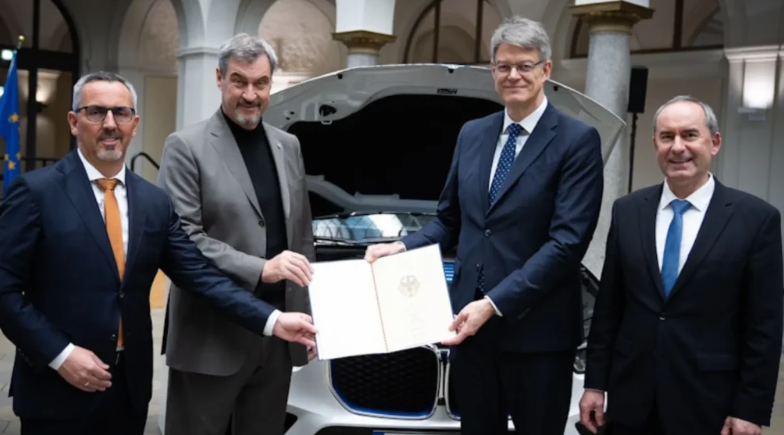
BMW’s Dr. Joachim Post receives HyPowerDrive funding certificate from German and Bavarian ministers in Berlin.
This investment will enable BMW to develop an innovative hydrogen fuel cell electric powertrain, which will be integrated into the company’s existing vehicle platforms. The project is expected to play a key role in advancing hydrogen mobility, with Germany’s transport commissioner, Michael Theurer, emphasizing the importance of the funding in scaling up hydrogen vehicle development and securing jobs and value creation within Germany.
Bavarian Minister for Economic Affairs, Hubert Aiwanger, also praised the project, noting that it would help solidify Bavaria’s position as a hub for innovation and future mobility. The funding reflects Germany’s broader commitment to hydrogen technologies, supporting alternatives to conventional fossil-fuel-based transportation and contributing to the country’s energy strategy.
BMW views hydrogen as a complementary solution to battery-electric mobility, particularly for long-range applications and in regions with limited charging infrastructure. Dr. Joachim Post, BMW Board Member for Development, highlighted that innovation, rather than regulatory bans, is crucial for addressing future mobility challenges. He also emphasized that the funding validates BMW’s forward-thinking strategy, with the company planning to offer five different drive options for the new BMW X5, including a hydrogen fuel cell version by 2028.
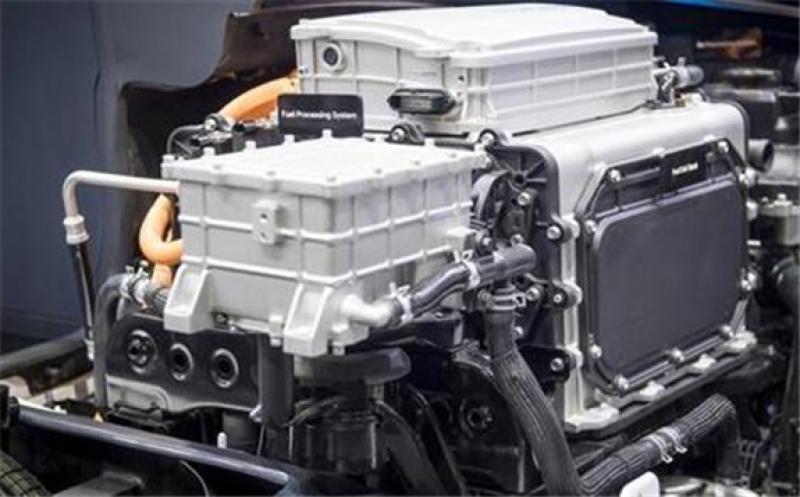
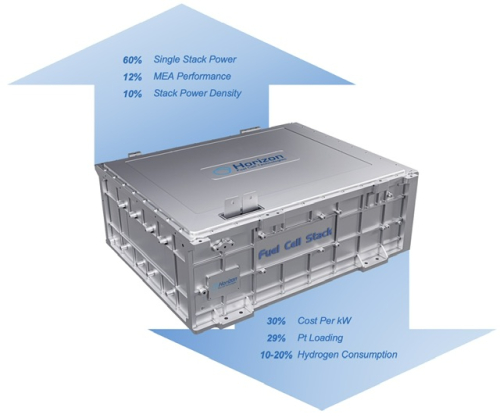
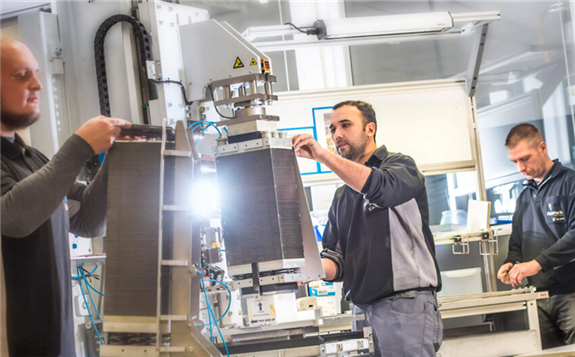
The Hy2Move project will focus on several key areas, including the development of hydrogen storage systems, fuel cell stacks, hydrogen-specific vehicle components, and the integration of these technologies into flexible vehicle architectures. This initiative builds upon BMW’s work with the iX5 Hydrogen, a pilot vehicle currently undergoing global demonstration trials.
The project’s development and industrialization will primarily take place at BMW’s Munich and Landshut sites, further strengthening Germany’s manufacturing base and technical expertise in hydrogen mobility. As part of the wider EU hydrogen initiative, BMW’s project contributes to efforts to deliver clean mobility, enhance energy security, and maintain industrial competitiveness across Europe. Germany has already committed over €1.4 billion to IPCEI hydrogen efforts, supporting a growing list of industry-led hydrogen initiatives across EU member states.