This infrastructure will initially support the Teesside-based East Coast Cluster (ECC) carbon capture projects, including NZT Power, H2Teesside, and Teesside Hydrogen CO2 Capture. These projects were selected for early connection to the NEP by the Department for Energy Security and Net Zero (DESNZ) in March 2023, as part of the UK’s cluster sequencing process for carbon capture usage and storage (CCUS).
As of November 18, Sonardyne announced that passive seismic monitoring services would be added to the scope of its existing contract, originally announced in June. These services are part of a broader monitoring program for the Endurance CO2 storage site. The passive seismic monitoring will generate baseline data before NEP operations commence and could continue through the injection phase to provide long-term surveillance of the subsurface.
Stephen Auld, Sonardyne’s Business Development Manager for Custom Projects, expressed pride in the company’s role in the project, stating: “Being trusted to deliver passive seismic monitoring, in addition to environmental monitoring, for the UK’s first CCS project is an honour and highlights Sonardyne’s technical leadership in subsea environmental monitoring.” Auld further emphasized Sonardyne’s commitment to supporting NEP in ensuring the safe, long-term containment of CO2 offshore.
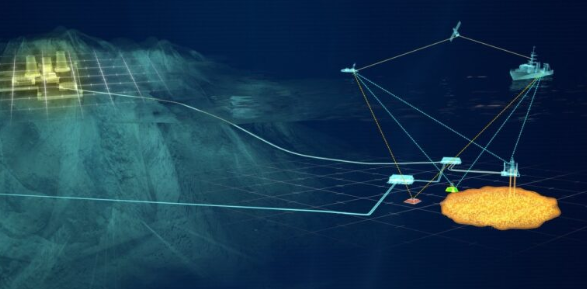
Sonardyne will deploy advanced ocean bottom seismometers (OBS), manufactured by KUM GmbH, on the seabed above the CO2 storage reservoir. The monitoring program is slated to begin in the summer of 2026, with the first seismic data expected by 2027.
The storage at the Endurance site is expected to begin in 2028, marking the UK’s first operational CCS project. The initial phase of the project aims to store up to 100 million tons of CO2 in the Endurance aquifer over a 25-year period. This project is a significant milestone for the UK’s carbon capture and storage capabilities, aligning with broader goals to reduce carbon emissions and contribute to the transition to net-zero emissions.