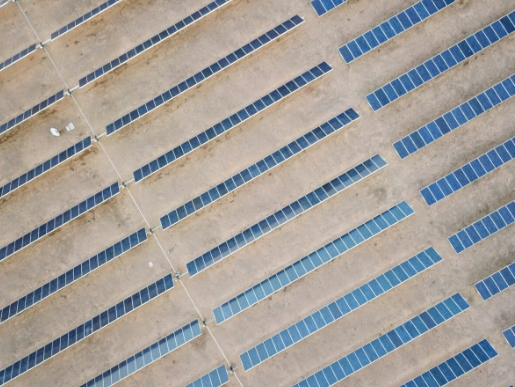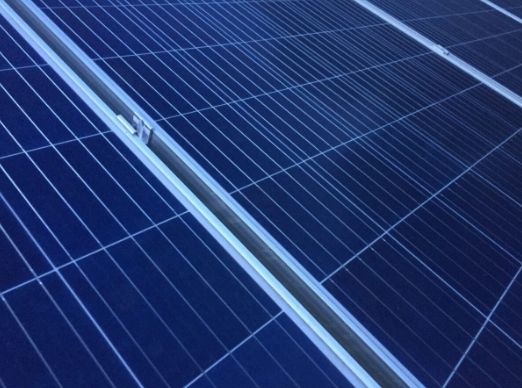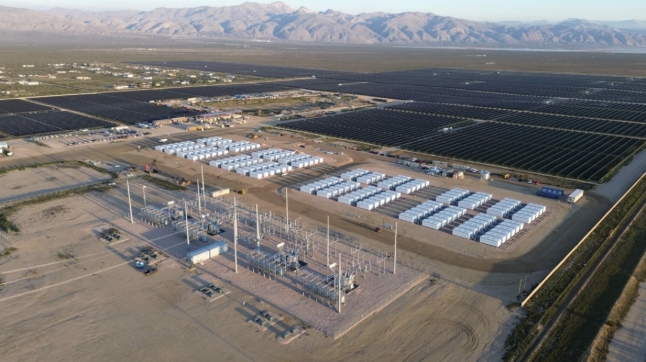
The solar park generates approximately 50,000 MWh of clean electricity annually, sufficient to avoid around 32,000 tons of CO? emissions each year. It qualified for a market premium through Germany’s EEG innovation tender. The integrated storage, consisting of 88 battery cubes, captures surplus daytime production and releases it when demand is higher, improving project economics while enhancing grid stability and supporting more predictable electricity pricing.
Grid feeding began in October, with final connection tests currently being completed. The Zerbst plant marks Statkraft’s first fully in-house developed and grid-connected hybrid project in Germany. The company now manages a domestic development pipeline exceeding 4 TW of wind, solar, and storage capacity.
The facility was officially inaugurated by Saxony-Anhalt’s Minister-President Reiner Haseloff, who stated: “The Zerbst solar park is a lighthouse project that shows how the energy transition in Saxony-Anhalt is succeeding. With this project, Saxony-Anhalt is proving that we can implement the energy transition pragmatically and efficiently. The innovative storage technology makes this hybrid power plant an important building block for grid stability and supplies reliable energy. We need such showcase projects nationwide.”
In addition to trade tax revenue, Statkraft provides the city of Zerbst/Anhalt with a voluntary municipal contribution of approximately €100,000 per year, which the municipality can allocate freely.
The Zerbst hybrid plant demonstrates practical integration of large-scale solar generation with utility-scale storage, delivering both renewable power and essential grid-support services in one of Germany’s key renewable energy regions.