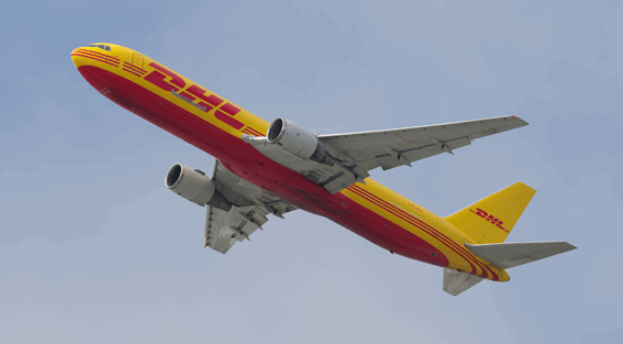
Phillips 66 won a three-year contract to deliver over 240,000 metric tons of sustainable aviation fuel from its Rodeo facility in California to German logistics giant DHL.
Most of the volume will serve Los Angeles International Airport, with planned future deliveries to other West Coast locations where DHL operates, including San Francisco International Airport. The contract represents one of the largest SAF supply agreements concluded by a U.S. producer and within the global air cargo sector.
According to DHL, the use of this SAF will avoid approximately 737,000 metric tons of lifecycle greenhouse gas emissions. The supply will support DHL Express’s GoGreen Plus service, enabling customers to reduce Scope 3 emissions associated with their air freight shipments. DHL has been expanding SAF partnerships across Europe, the Americas, and Asia-Pacific since 2021.
Phillips 66 Vice President for Aviation Ronald Sanchez stated: “Our integrated model is a competitive advantage that enables resilience and value creation in the SAF market. Our people, capabilities and assets allow for feedstock optionality; our supply chain agility accounts for an evolving environment.”
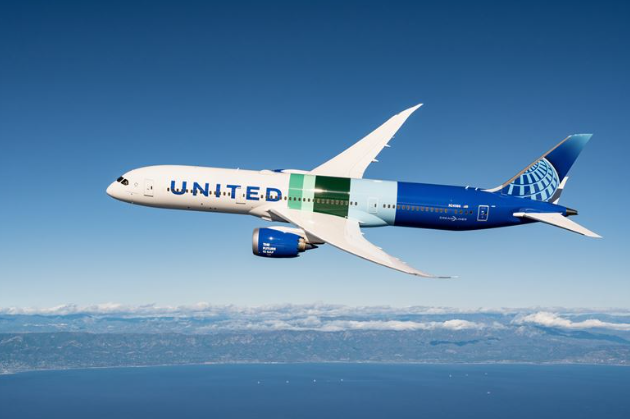
The Rodeo Renewable Energy Complex, converted last year from a traditional refinery, processes up to 50,000 barrels per day of renewable feedstocks such as used cooking oil, animal fats, greases, and vegetable oils to produce SAF and renewable diesel for the West Coast market. Earlier this year, Phillips 66 also signed SAF supply contracts with Alaska Airlines, British Airways, Qantas Airlines, and United Airlines.
In addition, a 30.2-megawatt solar facility developed with NextEra Energy Resources began operation at the Rodeo site this year. Located on 88 acres of company-owned land, the project is California’s largest dedicated on-site solar installation for an industrial facility. It meets half of the complex’s electricity needs and avoids approximately 33,000 metric tons of carbon dioxide emissions annually.
The agreement with DHL underscores growing collaboration between fuel producers and logistics operators to scale SAF adoption and support the aviation industry’s transition to lower-carbon operations.