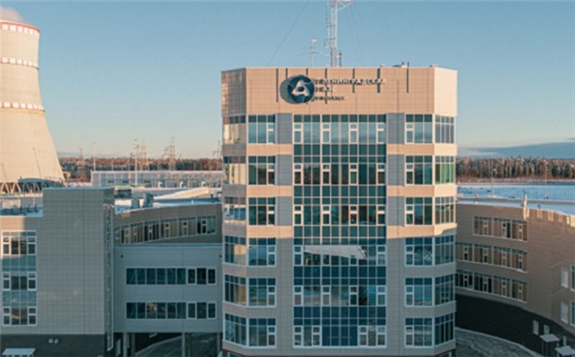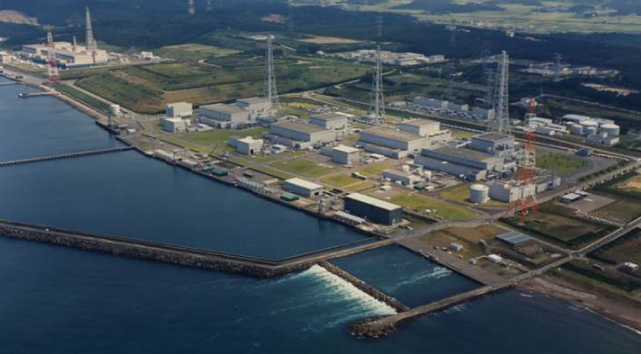
The 1,356 MWe advanced boiling water reactors at units 6 and 7 entered commercial operation in 1996 and 1997 respectively. They have remained offline since periodic inspections in 2011 and 2012, following the broader suspension of nuclear operations after the Fukushima Daiichi accident. The Nuclear Regulation Authority granted restart permission in December 2017. Fuel loading for unit 6 was completed in June 2025.
Governor Hanazumi stated: “The government’s policy is to promote nuclear power generation, which boasts excellent supply stability and technological self-sufficiency. Based on this policy, the restart of the Kashiwazaki-Kariwa Nuclear Power Plant is considered extremely important in light of the vulnerability of the power supply structure in eastern Japan, the disparity in electricity rates between east and west Japan, and the need to secure economic growth opportunities through decarbonised power sources.”
As conditions for approval, the governor requested seven specific measures from the national government and Tepco, including continued clear communication about safety, ongoing facility improvements, enhanced evacuation planning and road infrastructure, independent performance monitoring, and a review of subsidies for host communities.
Hanazumi added: “We will strongly urge the national government and Tepco to demonstrate through their actions and results that they are prioritising safety in the operation of the Kashiwazaki-Kariwa Nuclear Power Plant, which will help restore the trust of the prefecture’s residents.” He welcomed Tepco’s commitment to contribute approximately JPY 100 billion over ten years from operating revenue toward regional safety, security, and economic development, along with new local business investments.
Restarting the two units is projected to generate around JPY 100 billion (approximately USD 638 million) in annual earnings for Tepco. Unit 6, if restarted, would become the first Tepco-owned reactor to resume operation since the Fukushima Daiichi accident.
The Kashiwazaki-Kariwa plant, the world’s largest by capacity, was unaffected by the 2011 earthquake and tsunami. Earlier, all units were offline for up to three years following the 2007 Niigata-Chuetsu earthquake, during which seismic upgrades were implemented.
Separately, Tepco President Tomoaki Kobayakawa informed the prefectural assembly last month that the company is considering decommissioning units 1 and 2, which began operation in 1985 and 1990 respectively.