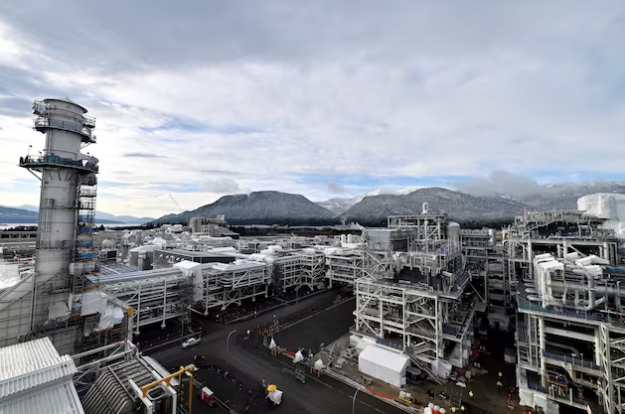
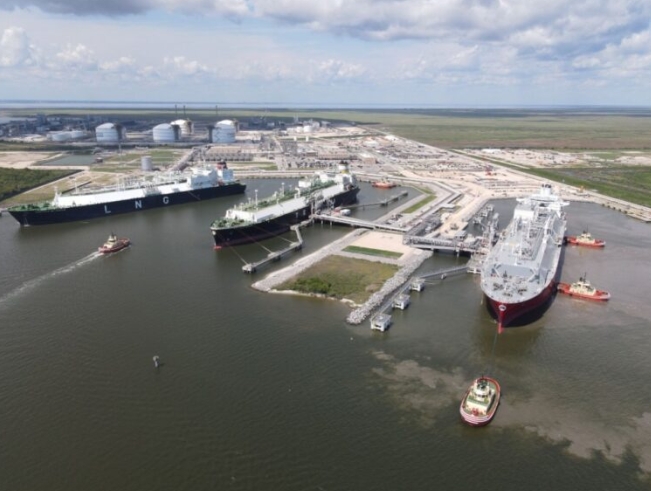
Following the facility's first LNG shipment in summer 2025, the project has successfully commissioned its second processing train. Both Train 1 and Train 2 are now fully operational, enabling the terminal to produce and export liquefied natural gas at increased volumes from Canada's west coast.
The facility, located on the traditional territory of the Haisla Nation, maintains a greenhouse gas intensity approximately 60 percent lower than the global average for LNG production, according to project data.
LNG Canada stated: "This achievement was made possible thanks to thousands of highly skilled professionals working safely together each day."
"Together we're shaping Canada's LNG story – safely, reliably, and with care for our environment and communities as we produce secure supplies of LNG and help Canada diversify its export markets."
The terminal's position on the Pacific Coast provides efficient access to natural gas resources in British Columbia while offering shorter shipping distances to major demand centers in Asia compared with many other global supply sources.
Construction of the initial phase has created one of the world's newest and most advanced LNG export facilities, with current nameplate capacity of 14 million tonnes per annum across the two operating trains.
A potential Phase 2 expansion remains under consideration, which would add two further trains and increase total annual capacity to 28 million tonnes.
Across Canada, seven LNG export projects and one supporting infrastructure initiative are at various stages of planning and development. These initiatives collectively represent potential capital investment of nearly $109 billion and could eventually deliver combined production capacity of 50.3 million tonnes per annum.
The ongoing ramp-up at LNG Canada demonstrates continued progress in establishing Canada as a reliable supplier of liquefied natural gas to international markets while incorporating modern environmental performance standards and extensive local workforce participation. The regular departure of cargoes from Kitimat further supports stable energy supply to customers across multiple regions.