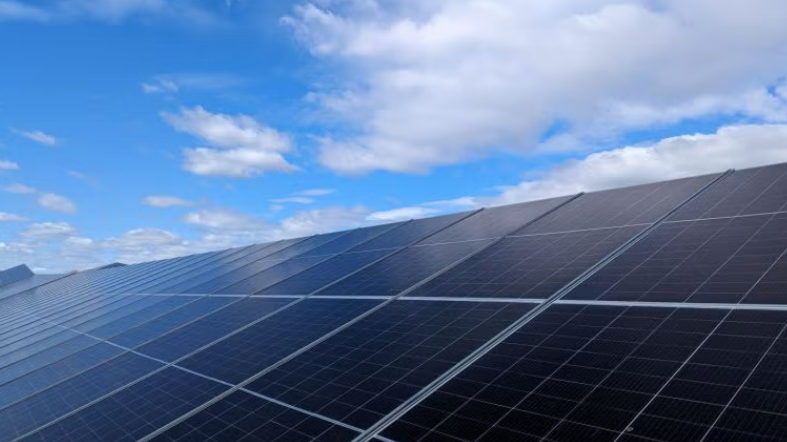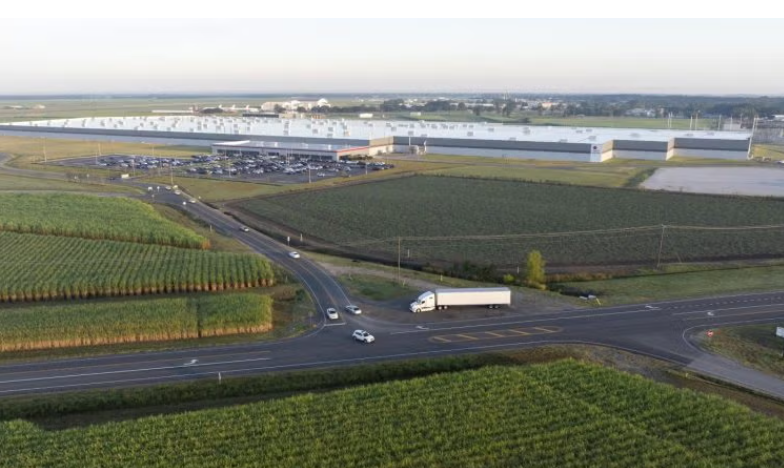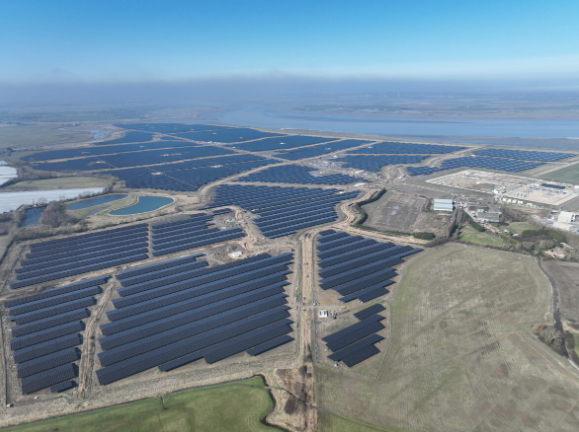
The 373 MW Cleve Hill Solar Park project is the largest UK PV plant to date.
Provisional government data show 111 MW of new capacity installed in October 2025 across 25,470 sites, bringing cumulative additions for the first ten months of 2025 to 1.78 GW. While lower than the 2.12 GW recorded in the same period of 2024, final figures are expected to increase as additional installations are reported.
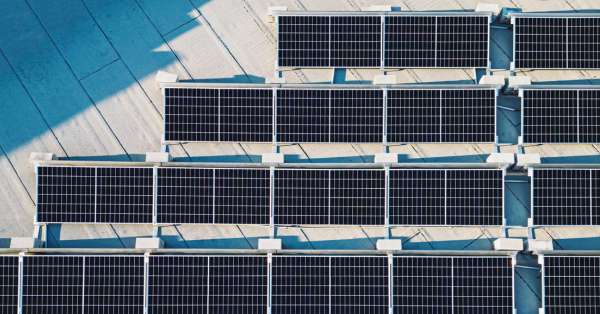
Ground-mounted and standalone projects continue to dominate total capacity. Approximately 58% of the UK's installed solar base consists of large-scale sites, including 8.2 GW accredited under the Renewables Obligation (RO), feed-in tariff, and Contracts for Difference (CfD) schemes.
Eighteen solar farms now operate under the CfD framework, with 16 commissioned during 2025. The pipeline of consented utility-scale projects has expanded significantly since mid-2024 following streamlined planning approvals for nationally significant infrastructure.
In the November 2025 Budget, Chancellor Rachel Reeves announced that from April 2026 the government will fund three-quarters of the Renewables Obligation levy through general taxation for three years, reducing the direct cost passed to household electricity bills.
Solar Energy UK Chief Executive Chris Hewett welcomed the measure: "Reform of the renewables obligation is both a welcome and expected move by the Chancellor. Together with the rising proportion of power coming from cheap solar and other renewables sources, plus reform to the electricity markets, we can expect bills to fall further in the coming years."
The change is projected to save the average household approximately £100 annually. The Department for Energy Security and Net Zero has also extended until 2 December 2025 its consultation on future inflation adjustments for payments under the RO and legacy feed-in tariff schemes.
These developments support continued growth in solar deployment while easing consumer energy costs and strengthening the economic case for renewable generation across the United Kingdom.