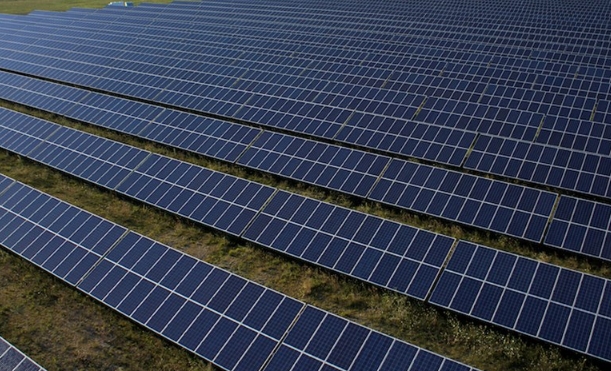
The Quincy Solar Energy Center is projected to contribute over $27 million to the local economy throughout its operational life through local taxes, land costs, and lease payments. This initiative aligns with efforts to meet growing energy demands in Grant County while promoting sustainable energy solutions.
John Mertlich, Grant PUD chief executive and general manager, stated: “As our county’s energy needs grow, our PPA with Invenergy’s Quincy Solar is another significant resource to meet local power demand. We look forward to working with Invenergy to provide affordable renewable energy to the grid and our customers.”
Laura Miner, senior vice president for renewable development at Invenergy, stated: “We are excited to partner with the Grant PUD to advance their generation goals and help meet local energy needs with homegrown solar power. We look forward to continuing to work with landowners, local officials, and the broader community to bring the benefits of Quincy Solar to Grant County residents.”
Construction of the Quincy Solar Energy Center is scheduled to start in late 2025, with commercial operations expected by November 2027. During the construction phase, the project will create up to 200 jobs and sustain approximately two full-time operations and maintenance positions once operational. This marks Invenergy’s first solar facility to reach commercial operations in Washington, increasing the company’s total energy generation capacity in the state to 860MW.
The project reflects a collaborative effort to integrate renewable energy into the region’s power grid, supporting both economic and environmental objectives. By working closely with local stakeholders, including landowners and community officials, Invenergy and Grant PUD aim to deliver reliable, clean energy that benefits Grant County residents and supports the broader transition to sustainable energy sources.
The Quincy Solar Energy Center underscores the growing role of solar power in meeting regional energy demands while fostering economic growth through job creation and local investments. As the project progresses toward its 2027 operational timeline, it is poised to play a key role in advancing Washington’s renewable energy landscape.