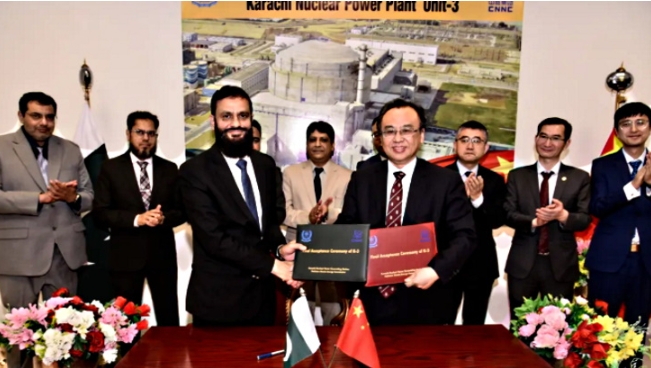
The final acceptance ceremony
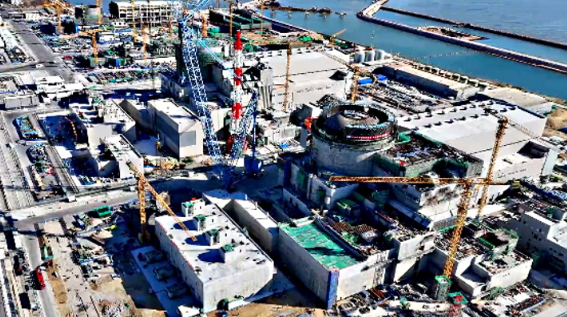
Karachi Units 2 and 3 are the first exports of CNNC’s 1,100 MWe Hualong One pressurized water reactor, marketed internationally as the HPR1000. Construction of Unit 2 started in 2015, followed by Unit 3 in 2016. Unit 2 reached first criticality in February 2021 and was connected to the grid in March 2021 after completing commissioning tests. Its final acceptance was formalized in May 2024. Unit 3 achieved first criticality in February 2022, was grid-connected in March 2022, and passed preliminary acceptance tests on April 18, 2022, entering commercial operation.
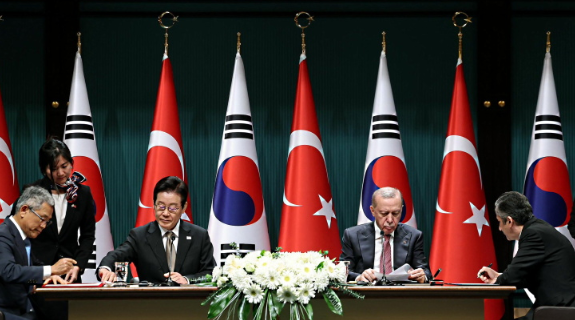
CNNC stated: “The acceptance of both units verifies the technical maturity and international market adaptability of China’s independent third-generation nuclear power technology Hualong One.” The company highlighted the project’s role in providing clean energy solutions for countries involved in global infrastructure initiatives.
The two Hualong One units at Karachi have generated over 48 billion kWh of electricity, significantly addressing Pakistan’s energy needs. CNNC noted: “This generation has reduced standard coal consumption by 14.976 million tonnes and cut carbon dioxide emissions by 39.168 million tonnes annually.” These units support Pakistan’s efforts to optimize its energy mix, promote low-carbon development, and achieve sustainable growth.
The Karachi site, also known as KANUPP, previously hosted Pakistan’s first nuclear reactor, Karachi 1, a 100 MWe Canadian pressurized heavy water reactor, which operated for 50 years until its shutdown in 2021.
In August 2023, Pakistan’s Executive Committee of the National Economic Council approved the construction of Chashma Unit 5, another Hualong One reactor, at Mianwali in Punjab. This site already houses four operating Chinese-supplied CNP-300 reactors. Construction of Chashma 5 began with the first concrete pour in December 2024.
The successful completion of Karachi Units 2 and 3 underscores the reliability and global potential of the Hualong One technology, contributing to Pakistan’s energy security and environmental goals.