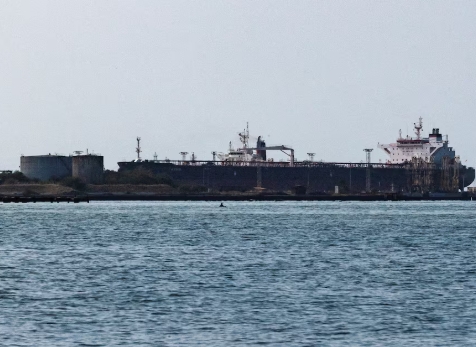
Oil tanker Avril, flagged by Guinea, is pictured near the Venezuelan port of La Salina, operated by state company PDVSA, in Maracaibo, Venezuela Fenruary 25, 2025.
In March, the U.S. Treasury Department revoked licenses previously granted to companies like Chevron, Repsol, Eni, Maurel & Prom, and Reliance Industries, which allowed them to import Venezuelan crude to destinations such as Spain, Italy, India, and the U.S. The affected firms have until late May to finalize operations and complete deliveries from Venezuela.
PDVSA has been preparing for the transition by enhancing oil production, upgrading facilities, and reorganizing export operations, particularly at joint ventures impacted by the license cancellations. The company has increased production and storage of Blend 22 to attract refiners in Europe and Asia seeking this crude grade.
The initial export shipments of Blend 22, allocated to France’s Maurel & Prom, will depart from La Salina port in Zulia state. These shipments are part of a swap for heavy naphtha delivered to PDVSA, authorized by a U.S. license last year. Trading house Vitol chartered the vessels, with the first tanker scheduled to transport approximately 250,000 barrels, documents indicate. Maurel & Prom, majority-owned by the Indonesian government, confirmed the May 27 deadline for completing transactions after its license was revoked.
PDVSA is also focusing on refining more crude domestically to ensure fuel availability and prevent shortages, similar to those experienced during previous U.S. sanctions. Last year, Venezuela’s crude and fuel exports rose by about 11% to an average of 770,000 barrels per day, the highest since 2019, when U.S. energy sanctions began.
Venezuelan officials are addressing economic challenges while maintaining that U.S. sanctions create significant hurdles. The country is exploring alternative markets and operational adjustments to stabilize its oil industry amid these restrictions.