


The nation has faced seven consecutive years of drought, severely impacting agricultural output. Last year’s harvest fell significantly below the typical 7 million tonnes, reflecting the ongoing challenges of water scarcity. While rainfall this year has risen by 19% compared to 2024, it remains 18% below the long-term average, indicating that Morocco continues to experience a moisture deficit.
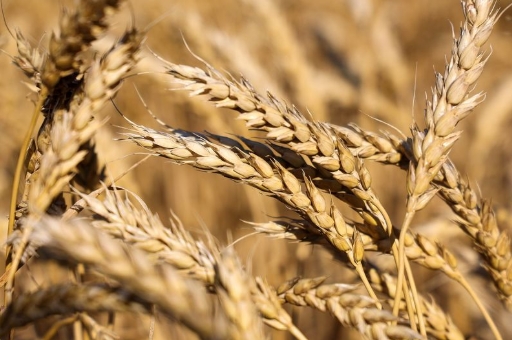
The Ministry projects that farmers will produce 2.4 million tonnes of soft wheat, 1.06 million tonnes of durum wheat, and 0.9 million tonnes of barley in 2025. These figures mark a substantial improvement over last year’s yields, driven by the timely rains that have bolstered soil conditions and crop development.
A spokesperson for the Agriculture Ministry stated: “The rains in March and April have provided critical support to our farmers, enabling a stronger grain harvest this year.” The spokesperson highlighted the importance of these weather patterns in alleviating some of the pressures from prolonged drought, though challenges persist due to below-average precipitation.
Overall agricultural production is expected to grow by 5.1% in 2025, a notable recovery from the 4.8% decline recorded in 2024. This upturn reflects the positive impact of increased rainfall on various crops, contributing to improved food security and economic stability in Morocco’s agricultural sector.
Despite the progress, the Ministry emphasized the need for continued efforts to address water scarcity and enhance agricultural resilience. The improved harvest is expected to support domestic consumption and reduce reliance on imports, though Morocco’s grain production remains sensitive to weather fluctuations. The Agriculture Ministry’s projections underscore the critical role of seasonal rains in sustaining the country’s agricultural output and the ongoing challenge of managing resources in a drought-prone region.
