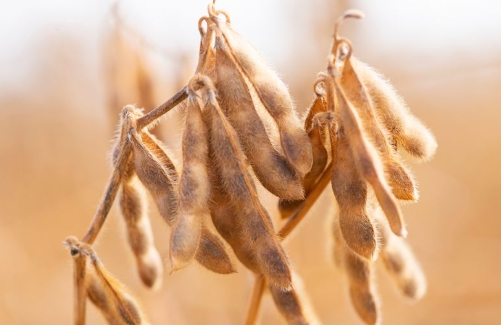
The country cultivates two soybean harvests annually: the primary crop (zafra) and a secondary crop (zafrinha). The previous season’s output was impacted by adverse weather, but analysts anticipate a return to typical rainfall levels in 2025-26, supporting more consistent production. “Improved conditions will likely contribute to a stronger harvest, enabling Paraguay to meet growing demand,” said a FAO analyst.
Soybean exports from Paraguay are expected to climb to 7.2 million tons in 2025-26, recovering from 6.5 million tons in the prior year. This growth reflects the country’s focus on international markets, as domestic soybean consumption remains minimal. Paraguay primarily exports soybean meal and oil, with key destinations including Southeast Asia, Chile, and Argentina.
The soybean processing sector in Paraguay is influenced by market dynamics in Argentina, a significant purchaser of Paraguayan soybeans. With an anticipated increase in Argentine crop availability, Paraguayan crushing facilities are projected to operate at 70-80% capacity, processing an estimated 4 to 4.5 million tons of soybeans. This interdependence underscores the importance of regional trade for Paraguay’s soybean industry.
Through these developments, Paraguay aims to strengthen its position as a leading soybean exporter while leveraging improved agricultural conditions to support economic growth.