


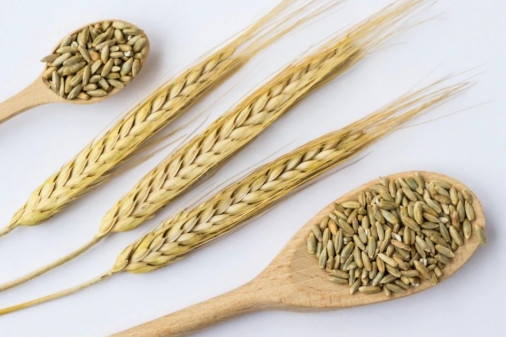
The protocol on malting barley allows Danish farmers to supply this key agricultural product to China, one of the world’s largest markets. This development is expected to boost the agricultural sector by opening new revenue streams for barley producers. The agreements also streamline exports of wild-caught fish and seafood, eliminating the need for individual species approvals. This simplification covers all wild fish from Denmark and Greenland, facilitating smoother trade with China.
In 2024, fish and seafood comprised 35% of Denmark’s food exports to China, and these new protocols are poised to further increase this share. Additionally, the horse feed agreement diversifies Denmark’s export portfolio, supporting a broader range of agricultural products. These measures are designed to strengthen trade ties and promote sustainable growth in Denmark’s food industry.
Minister Jacob Jensen highlighted the importance of the agreements, stating: “We have removed barriers and ensured substantial improvements in market access for our barley, fish, and horse feed. This opens new opportunities for export growth.” The protocols are expected to enhance Denmark’s presence in the Chinese market while supporting the development of its agricultural and fisheries sectors.
By expanding access to a major global market, these agreements provide Danish and Greenlandic companies with new avenues for economic growth. They also reflect a commitment to fostering mutually beneficial trade relationships, ensuring that high-quality Danish products meet the demands of Chinese consumers. The successful negotiations in Beijing mark a significant step toward deepening cooperation in the food and agriculture sectors.
