


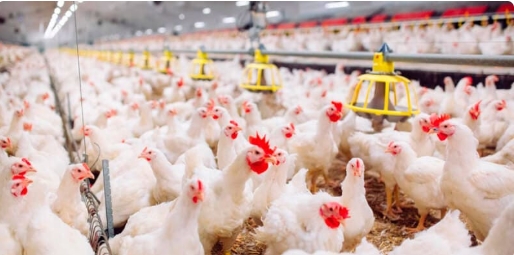
Hungarian Minister of Agriculture, István Nagy, emphasized that the country remains dedicated to supporting its poultry farmers and growing production in the coming years. The Hungarian government plans to invest HUF 4.3 trillion (€10.6 billion) in agriculture, the food industry, and rural development by 2027, using EU subsidies. A significant portion of this funding is intended to support the poultry sector, which, along with pork production, is one of the most competitive and consolidated food industry segments in Hungary. The poultry industry not only meets domestic demand but also contributes significantly to the country's export value, accounting for nearly half of Hungary's meat exports.
Tamás Éder, Vice President of the National Chamber of Agriculture and Food Industry, pointed out that Hungary has a chance to enhance its position in the European market, especially as Western European countries do not offer the same level of support to poultry farmers. Éder noted that while Hungary encourages poultry industry developments through various support measures, countries like the Netherlands, which has a significant poultry industry, are imposing administrative restrictions to prevent the establishment of new farms. He suggested that Hungary could capitalize on these challenges and fill gaps in the supply chain.
Rabobank expert Nan-Dirk Mulder also supported this view, explaining that the stagnation or decline of poultry production in Western Europe presents a bigger opportunity for Hungary compared to other Central European countries. He highlighted Hungary’s central location, which provides easier access to Western European markets than countries like Romania.
However, the growth prospects for Hungary’s poultry industry could face challenges due to broader economic conditions and weakening consumer confidence in key markets, such as China. Éder noted that these factors could alter the balance of foreign trade. Additionally, the ongoing trade tensions, including US tariffs on poultry imports and retaliatory measures from other countries, are expected to have a significant impact on global poultry trade in the short term.
Mulder also acknowledged the uncertainty surrounding the European market due to the tariff war, suggesting that while the US might eventually gain access to the European market, EU exporters could find new opportunities in the Chinese market. The evolving dynamics of global trade will likely play a crucial role in shaping Hungary’s poultry industry’s future.
