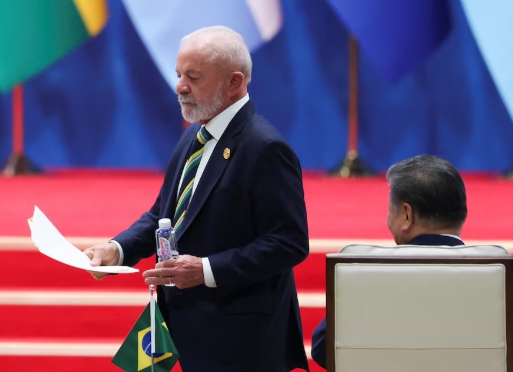
Brazil's President Luiz Inacio Lula da Silva attends the opening ceremony for the China-CELAC Forum ministerial meeting in Beijing, China May 13, 2025.
The deal, detailed in a Brazilian government document, follows negotiations that began in 2022 to establish sanitary standards for DDG exports. Guilherme Nolasco, president of Brazil’s National Corn Ethanol Union (UNEM), stated in an interview on Monday: “It opens up an opportunity for Brazil to become another supplier, another option for China to source animal nutrition products. For us, it means re-establishing and strengthening the relationship between the Brazilian and Chinese markets, which share multiple mutual interests.” The agreement positions Brazil as an alternative supplier in a market where the United States held a 99.6% share of China’s DDG imports in 2024, valued at $65.7 million.
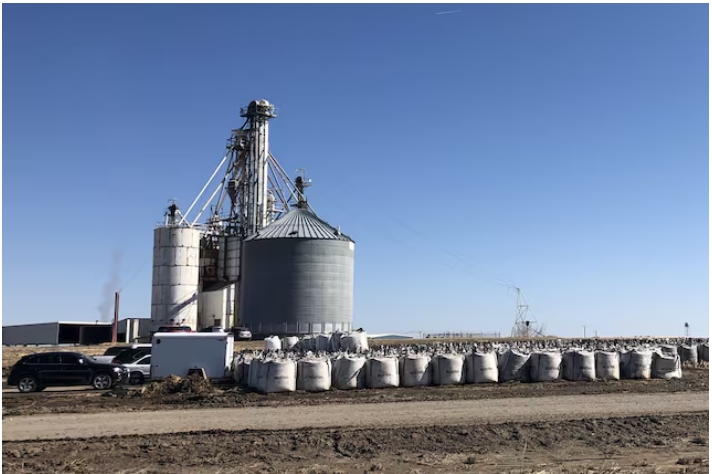
Brazil’s DDG production is expanding, with Nolasco noting that over 10 new corn ethanol plants are under construction, expected to start operations within two to three years. By 2025/26, Brazil could produce up to 5 million tons of DDGs annually, supporting its growing export capacity. In 2024, Brazil exported $190.65 million worth of DDGs, primarily to Vietnam, Turkey, New Zealand, Spain, and Thailand.
The agreement also includes protocols for exporting duck meat, turkey meat, chicken giblets, and peanut meal to China, as announced by Brazil’s Agriculture Ministry. Agriculture Minister Carlos Fávaro commented: “Under the leadership of President Lula, Brazil has achieved a historic feat,” emphasizing the significance of the trade negotiations.
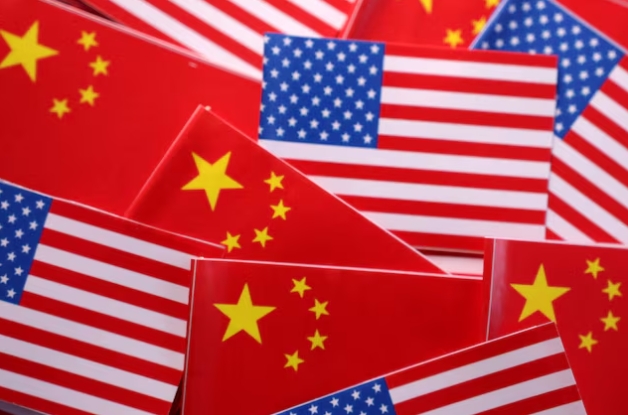
This deal strengthens Brazil-China agricultural ties, providing China with diverse sourcing options for animal feed and supporting Brazil’s ethanol industry growth. It reflects a mutual commitment to expanding trade in high-quality agricultural products.