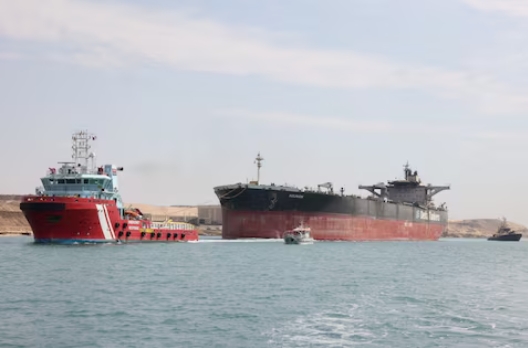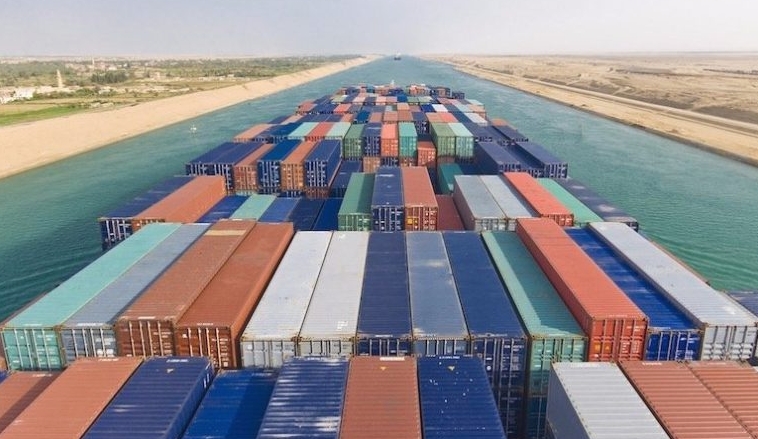
The offer was made in response to requests from containership owners and operators and reflects the recent positive developments in the security situation in the Red Sea and Bab al-Mandab Strait. The Suez Canal Authority cited these factors as key to improving the situation for shipping in the region.
Revenue from Suez Canal transits has decreased significantly over the past year, with a sharp reduction in the number of ships passing through the waterway. A large portion of the global merchant fleet, led by containerships, avoided the region due to attacks on merchant vessels by Houthi rebels from Yemen. The Houthis, who have supported Hamas in its conflict with Israel, have targeted shipping in the Red Sea.
Last week, U.S. President Donald Trump claimed that the Red Sea shipping crisis was coming to an end after more than 17 months. Trump stated that Yemen’s Houthis had agreed to halt their attacks on shipping, and in return, the U.S. would cease strikes on the Iran-backed rebels. These claims have been supported by Oman’s foreign minister, who has been mediating between the two parties. However, the Houthis have continued missile attacks toward Israel, prompting military responses from Tel Aviv.
Despite these claims of progress, most shipping companies remain cautious about resuming regular transits in the Red Sea. Maersk CEO Vincent Clerc recently stated that it would be “irresponsible” to restart transits in the area without a clear and stable ceasefire in place, noting that the region remains volatile.
Lars Jensen, CEO of Vespucci Maritime, a container shipping advisory firm, added that a 15% discount on fees would likely not influence decisions on whether to transit the Red Sea in the current environment. He explained that such decisions are based primarily on risk assessments rather than financial incentives. Jensen’s viewpoint is shared by shipping analysts at investment bank Jefferies, who argue that despite the discount, the risks associated with the region’s instability will prevent a swift return to normal transit operations.
Jefferies also highlighted that the diversion of vessels away from the Red Sea has tightened global shipping capacity by 11-12%, which has played a significant role in maintaining high market rates. This reduction in capacity has created a more favorable pricing environment for ocean carriers, but analysts caution that any change in the status of Red Sea transits could quickly shift the dynamics of the market.