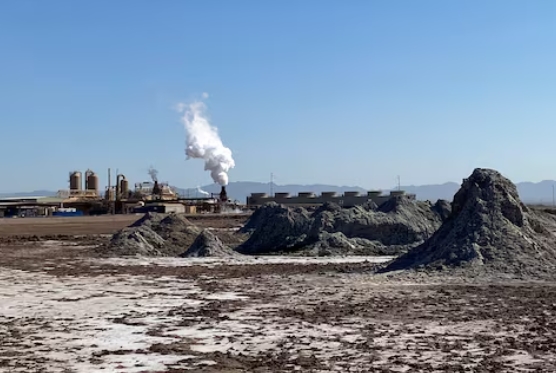
A geothermal power plant is seen in the distance through geological mudpots atop the San Andreas Fault in Calipatria, California, U.S. September 16, 2021.
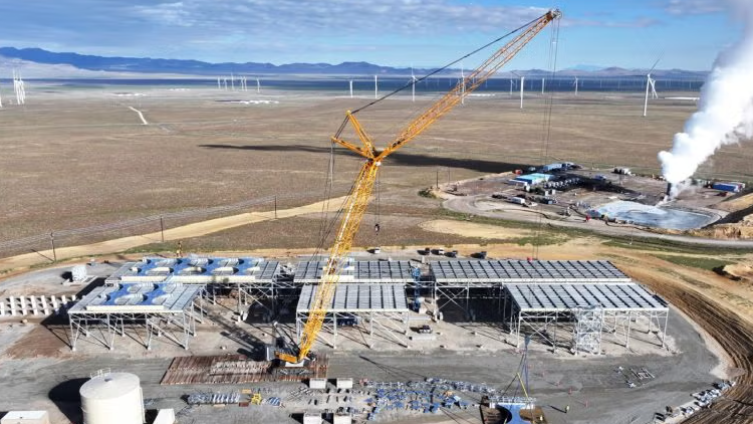
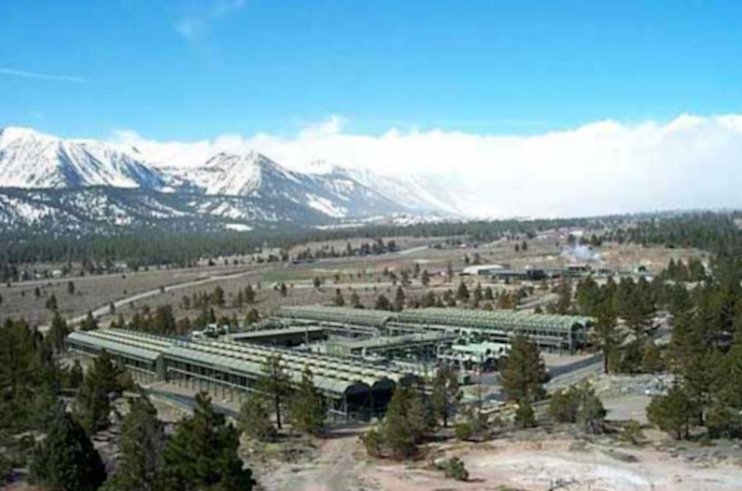
The USGS’s preliminary assessment indicates the region could provide up to 135 gigawatts of continuous, or baseload, power—provided existing technologies can be effectively scaled across Nevada and five adjacent states. These findings highlight the potential for geothermal resources to play a more prominent role in the national energy mix.
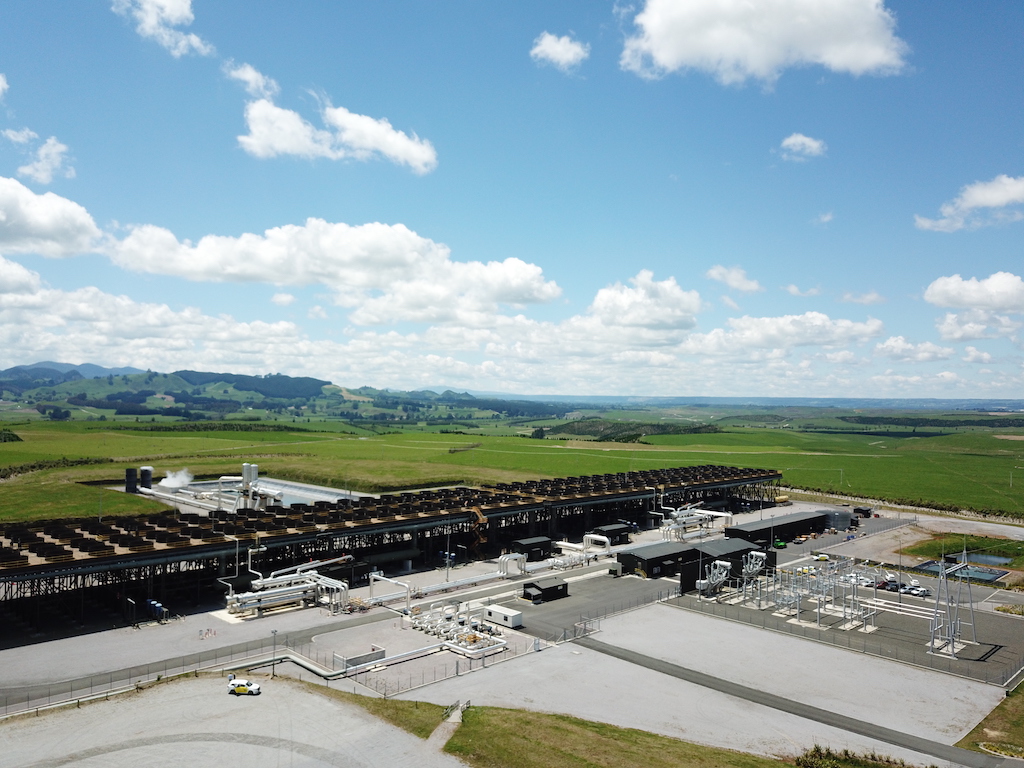
Geothermal energy is produced from heat stored beneath the Earth’s surface and can be used for various applications such as electricity generation, heating, and cooling. Unlike solar and wind power, which depend on weather conditions, geothermal energy offers a stable and consistent power supply.
The USGS noted that with ongoing advancements in geothermal technologies, the resources in the Great Basin could support a substantial portion of the country’s electricity needs. Continued development and investment in this field could allow geothermal energy to transition from a minor contributor to a key component of the U.S. energy infrastructure.
Following this assessment of the Great Basin, the USGS plans to evaluate geothermal potential in other parts of the country. The next area scheduled for review is the Williston Basin in North Dakota. These assessments are part of a broader effort to identify and utilize domestic renewable energy sources that can enhance grid reliability and sustainability.
This new estimate underscores the importance of further research and innovation in geothermal energy technologies. As the U.S. seeks to diversify its energy portfolio and reduce dependence on fossil fuels, geothermal power offers a promising pathway for meeting future electricity demand with low environmental impact.