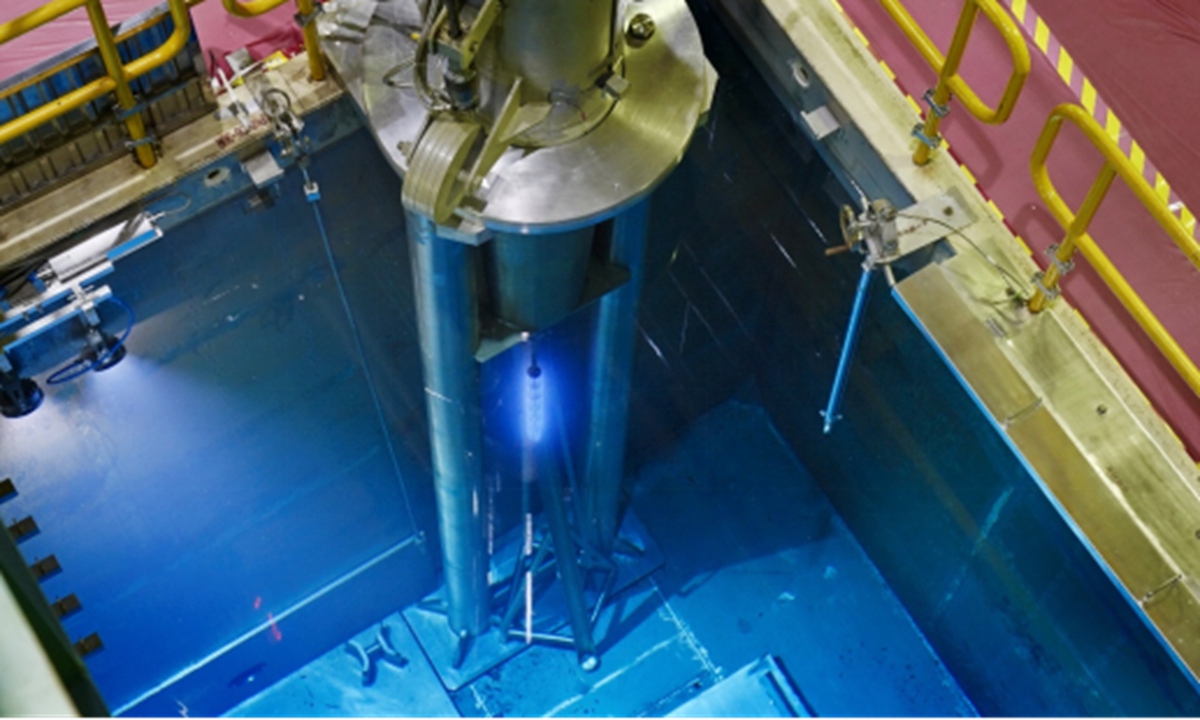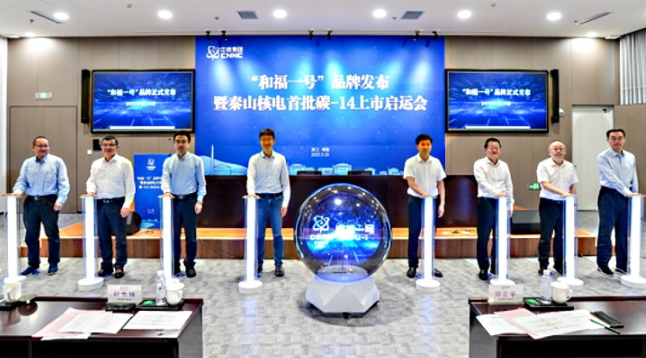
CNNC announced that this accomplishment, under its He Fu No.1 isotope production technology brand, reflects the completion of a fully integrated industrial chain for carbon-14, encompassing independent research, development, production, and commercial supply. The effort began in 2019, supported by the China Atomic Energy Authority, with Qinshan Nuclear Power collaborating with China Isotope & Radiation Corporation and other partners to overcome technical challenges. The first irradiated carbon-14 target was extracted from Qinshan’s heavy water reactor on April 20, 2024, and, after purification, the final product met quality standards for dispatch.
CNNC stated: “This marks a new stage in China's isotope supply system - shifting toward greater self-reliance and innovation.” The annual output from Qinshan is expected to fully meet domestic demand for carbon-14, which is widely used in medical and scientific research, agriculture, chemistry, and biology. The isotope supports applications such as medical diagnostics and research advancements.
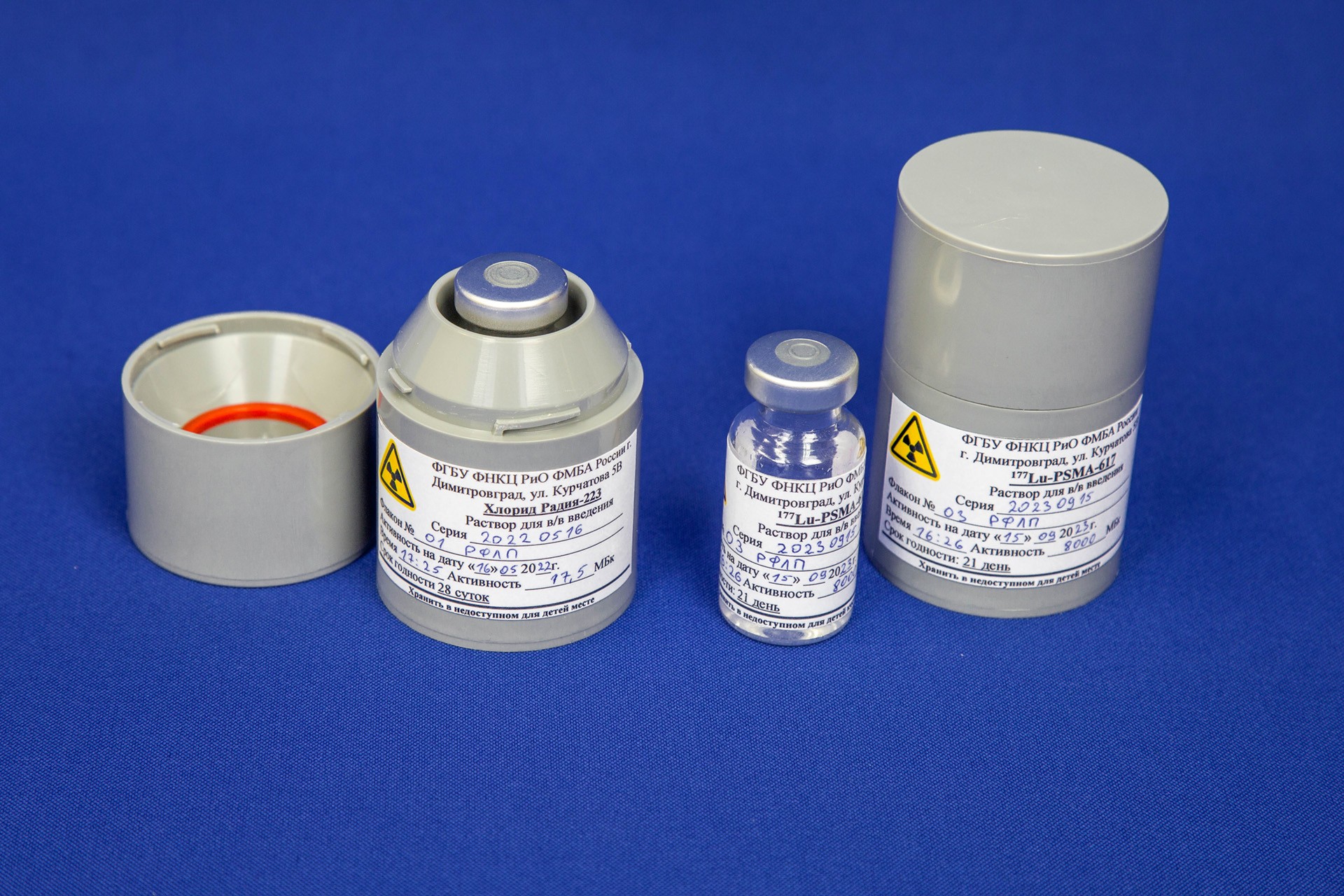
Beyond carbon-14, Qinshan produces cobalt-60, which meets most of China’s domestic needs for applications like food preservation and has begun to be exported. CNNC added: “Looking ahead, He Fu No.1 will take on the task of scaling up production of various short half-life medical isotopes, such as lutetium-177, with production capacity expected to meet domestic needs.” This aligns with efforts to advance China’s medical isotope production and support national health initiatives.
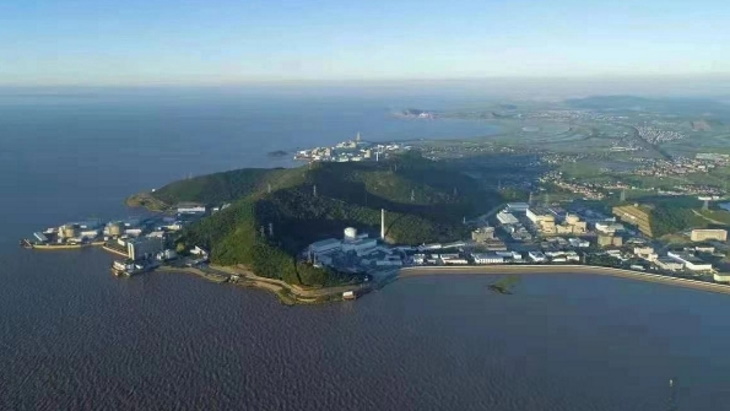
Located in Zhejiang, Qinshan is China’s largest nuclear power plant, housing seven reactors. Phase I features a 300 MWe pressurized water reactor, the first indigenously designed nuclear power station in China, operational since 1994. Phase II includes four CNP-600 pressurized water reactors, commissioned between 2002 and 2021, built with significant local expertise. Phase III comprises two 750 MWe pressurized heavy water reactors, supplied by Atomic Energy of Canada Ltd, operational since 2002 and 2003.