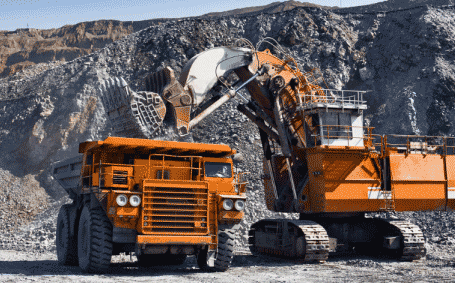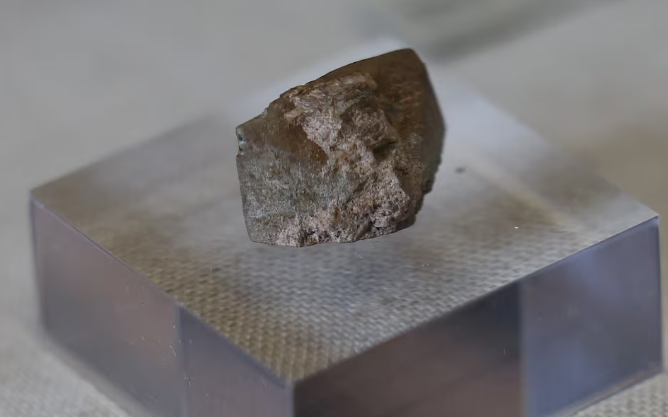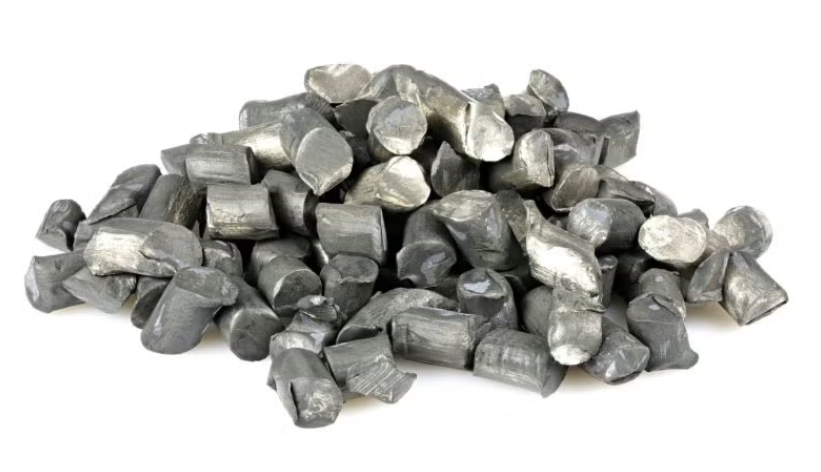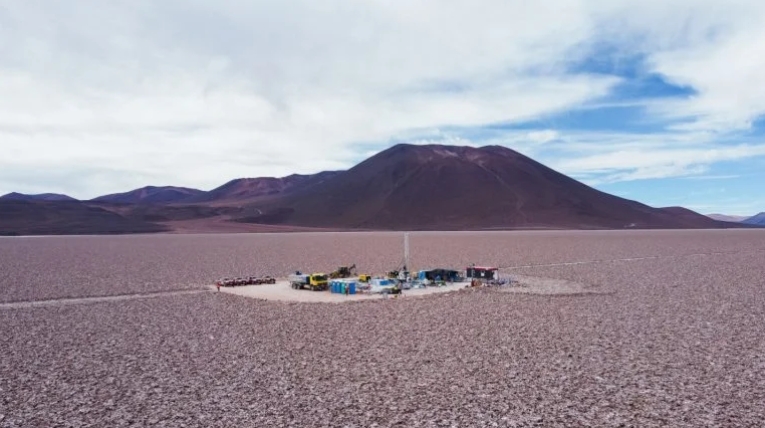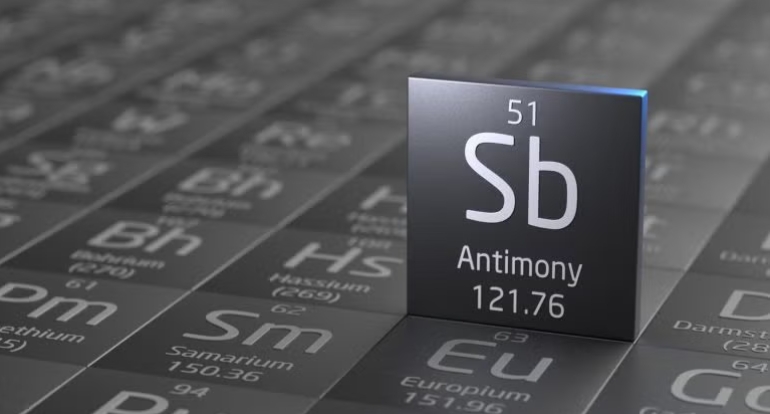
The OTIA aims to fund the development of a flexible, modular pilot plant to process antimony and other materials of interest.
The supplemental funds will expand ongoing research, enhance material sampling, and increase the scope and size of a modular pilot plant designed to process antimony and other materials critical to the U.S. Department of Defense (DOD). The initiative aims to establish a fully domestic supply chain for antimony trisulfide, supporting the U.S. Army’s “ground-to-round” strategy for critical minerals. Jon Cherry, Perpetua Resources’ president and CEO, stated: “We are honoured to continue our work with the U.S. Army to secure a domestic source of antimony trisulfide. Advancing America’s capabilities to process minerals critical to national defence is essential for our long-term mineral independence and resilience.”
The Stibnite Gold Project is projected to meet up to 35% of U.S. antimony demand in its first six years, based on the 2023 U.S. Geological Survey. This is particularly significant as global antimony supply dynamics shift, with increased focus on domestic production. The project also promises economic benefits, including job creation, and environmental improvements, such as enhanced water quality and remediation of an abandoned mine site, without affecting consumption or trade patterns.
Perpetua’s partnership with the DOD has now garnered over $80 million in total funding, reflecting the project’s strategic importance. In a related development, Perpetua applied for up to $2 billion in potential debt financing from the Export-Import Bank of the United States (EXIM) to support the Stibnite Gold Project’s construction. EXIM’s review will assess the project’s eligibility under its initiatives, further advancing its development.
The funding and research efforts position Perpetua Resources to strengthen the U.S.’s domestic supply of critical minerals, supporting industrial and defense needs while promoting sustainable mining practices in Idaho.