Model of an LNG tanker is seen in front of the U.S. flag in this illustration taken May 19, 2022.
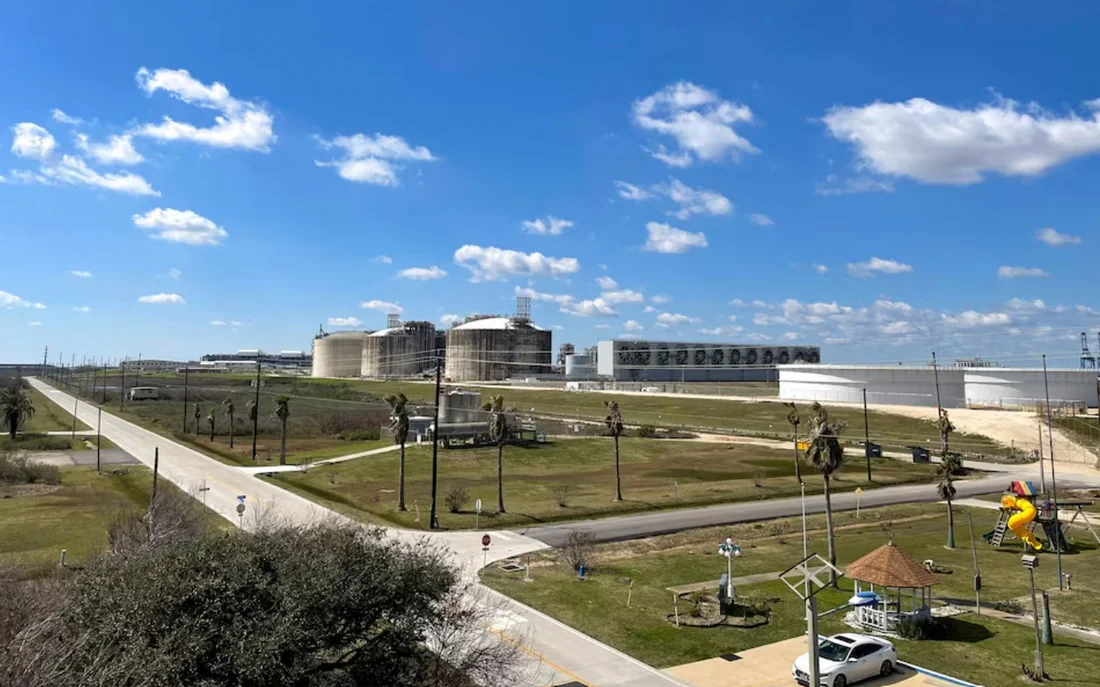
Cheniere Energy confirmed: “Our Sabine Pass facility is undergoing scheduled maintenance.” Gas flows to Sabine Pass dropped to a 23-month low of approximately 3.1 billion cubic feet per day (bcfd) since May 31, compared to an average of 4.3 bcfd in the prior week. Freeport LNG, the third-largest U.S. LNG producer, also experienced several outages during the month.
Europe continued to be the primary destination for U.S. LNG, receiving 6.05 million metric tons, or 68% of total exports, consistent with April’s share. Higher European gas prices, with the Title Transfer Facility (TTF) in the Netherlands reaching $11.68 per million British thermal units (mmBtu) in May, up from $11.48 in April, drove demand. In contrast, exports to Asia totaled 1.88 million metric tons, or 21% of U.S. LNG exports, down slightly from 2.05 million metric tons in April. Asian prices at the Japan Korea Marker (JKM) fell to $11.83 per mmBtu in May from $12.23 in April.
Latin America received 0.66 million metric tons of U.S. LNG in May, a slight decrease from 0.68 million metric tons in April. Egypt imported three cargoes totaling 0.22 million metric tons, while Bahrain purchased one cargo of 0.07 million metric tons. Additionally, one cargo departed Cheniere’s Sabine Pass on May 23 and was reported in the Caribbean Sea without a confirmed destination, per LSEG data.
China, the world’s largest LNG consumer, maintained lower import levels due to strong domestic production, pipeline imports, renewable energy growth, and subdued industrial demand. This has led China to resell some U.S. LNG to other markets.
Looking ahead, U.S. LNG production is expected to rise later in 2025. Cheniere plans to start four of its seven midscale trains at its Corpus Christi facility, while Golden Pass LNG LLC is set to produce its first LNG. Venture Global’s Plaquemines facility is also nearing completion, further boosting U.S. export capacity.