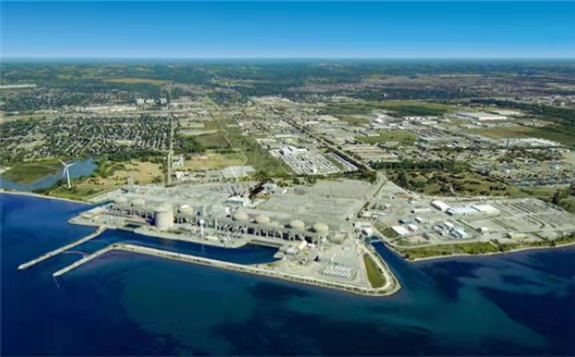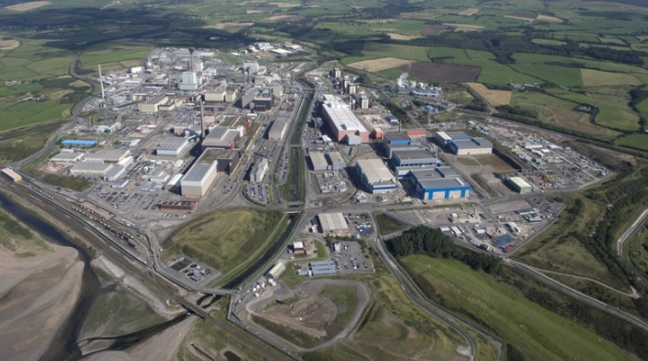
Sellafield, Western Europe’s largest nuclear complex, includes over 1,000 buildings housing facilities for Magnox reprocessing, mixed-oxide fuel production, thermal oxide reprocessing, and waste treatment, alongside obsolete 1950s defense facilities. The Nuclear Decommissioning Authority (NDA) estimates remediation will continue until 2125. In 2023-24, the NDA spent GBP2.7 billion on Sellafield, with the site earning GBP0.8 billion.
The committee’s report notes Sellafield Ltd’s failure to meet waste retrieval targets, particularly for the Magnox Swarf Storage Silo (MSSS), the UK’s most hazardous building. It states: “As a result of Sellafield Ltd’s underperformance, [the MSSS] will likely remain extremely hazardous for longer.” The committee calls for government action to ensure accountability from the NDA and Sellafield Ltd.
The report highlights: “Sellafield Ltd’s performance in delivering major projects has historically been very poor, with large cost increases and delays occurring all too frequently.” While recent progress shows potential, doubts persist about its sustainability.
Further delays, especially for the Geological Disposal Facility (GDF) now postponed to the late 2050s from 2040, could necessitate additional storage buildings costing GBP500-760 million each. The Department for Energy Security and Net Zero (DESNZ) is urged to prioritize cost-effective decommissioning and promote a culture where staff can safely voice concerns.
Sir Geoffrey Clifton-Brown, committee Chair, said: “Every day at Sellafield is a race against time to complete works before buildings reach the end of their life. Our report contains too many signs that this is a race that Sellafield risks losing.” He emphasized immediate accountability to protect public funds and safety, acknowledging early improvements but stressing the need for stronger oversight.