


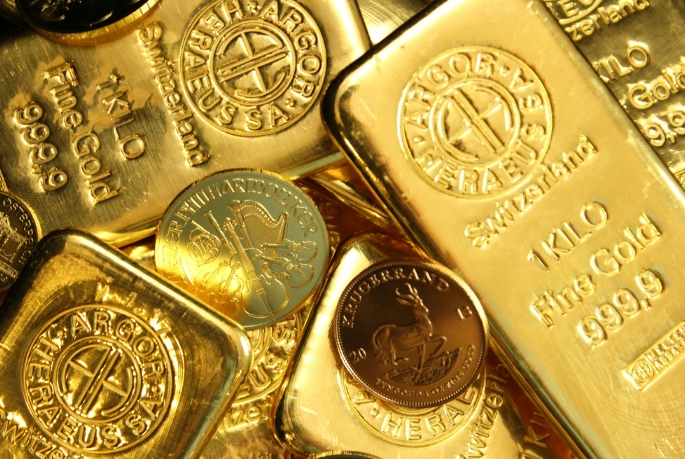
Gold refined in the new plant could be worth as much as $130bn a year
Once completed, the refinery is expected to have an annual processing capacity of 200 tonnes of gold, estimated to be worth approximately $130 billion. This capacity is four times greater than Mali’s current annual gold output. Ownership of the refinery will be shared, with the Malian state holding a majority stake.
Mali is among the world’s top gold producers, yet revenues from the sector have not fully translated into state income. Tax collections from international mining operations have ranged between $1 billion and $1.4 billion in recent years. Despite the country’s mineral wealth, Mali’s per capita GDP remains under $900.
President Assimi Goita, who has led Mali since 2021, attended the groundbreaking ceremony. He stated that the new refinery will help the country reduce its long-standing dependence on foreign processing facilities. Goita added: “Since 1980, Mali’s gold has been exported for refining and sale to countries such as the United Arab Emirates, South Africa, and Switzerland. This deprives our country of substantial revenues that could be used for the development of its economy.”
He also announced that legal reforms will be introduced to require all mining companies to refine their gold within Mali. This aligns with a broader trend in the Sahel region, where countries such as Guinea, Niger, and Burkina Faso have revised their mining policies to promote local processing and retain greater value from resource extraction.
Irek Salikhov, president of Yadran Group, emphasized the regional importance of the project. He said the refinery “would become a regional centre for processing gold extracted not only in Mali, but also in neighbouring countries like Burkina Faso.”
The project comes at a time of increasing state involvement in the mining sector. Earlier this month, a Malian court placed Canadian mining company Barrick under temporary state control for six months due to an ongoing tax dispute.
The construction of the Senu gold refinery marks a significant development in Mali’s efforts to expand its economic participation in the gold industry. The project is expected to support local value addition, enhance national revenues, and strengthen regional processing capabilities.
