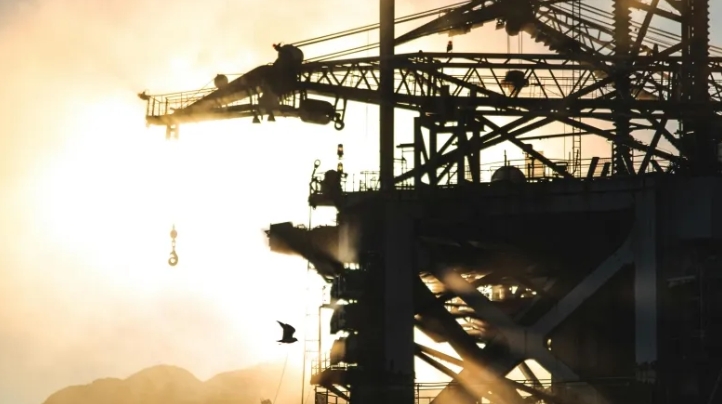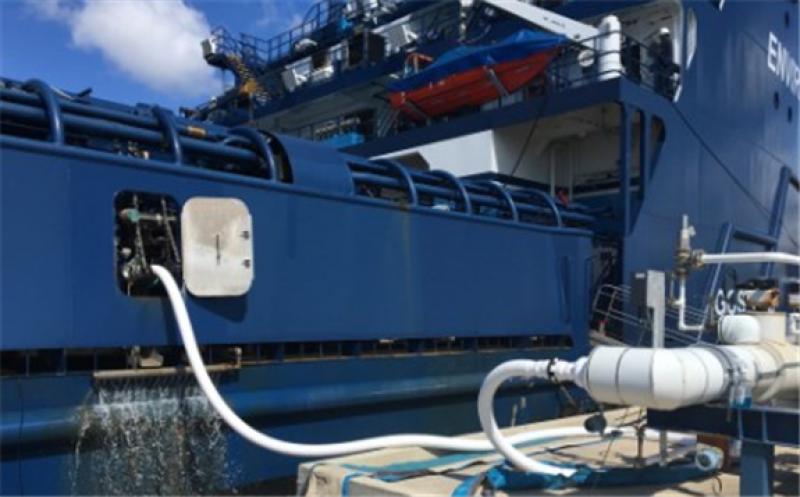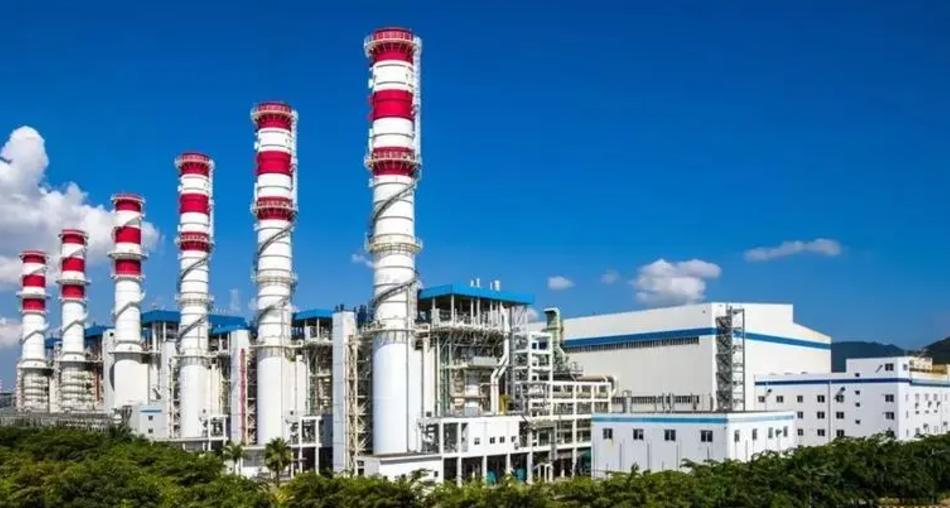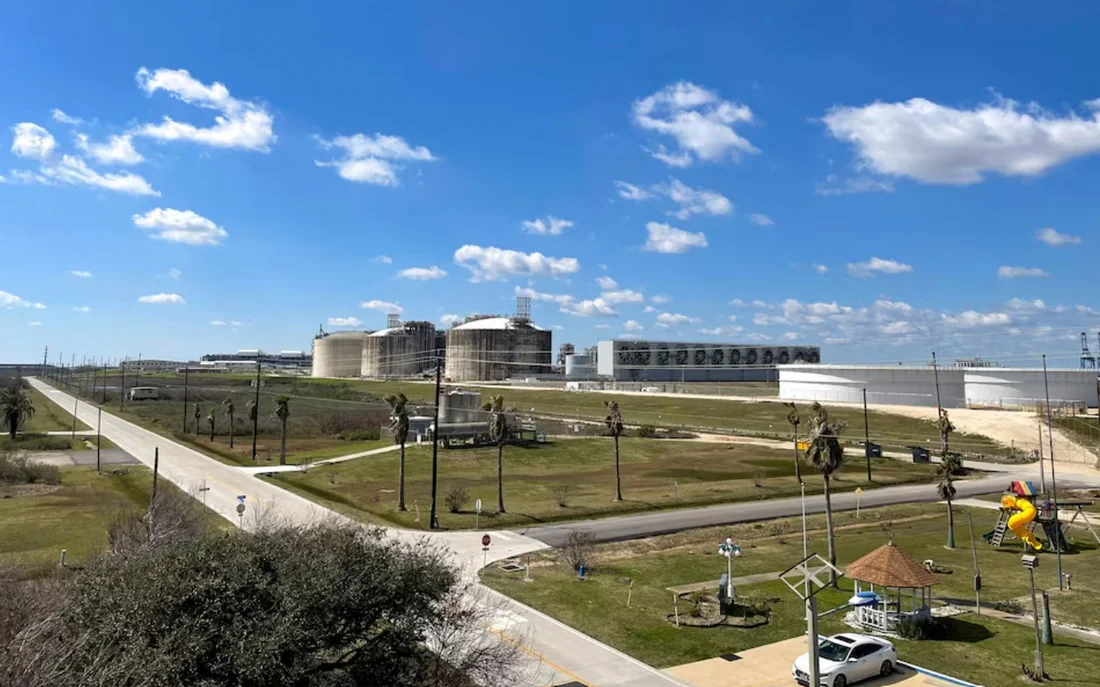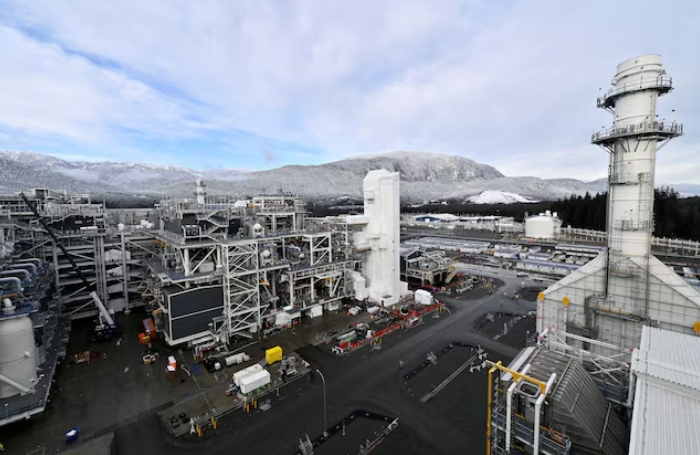
A general view of LNG Canada's liquified natural gas facility in Kitimat, British Columbia, Canada November 19, 2024.
LNG Canada is the first large-scale LNG project in Canada to reach production and the first major North American LNG facility with direct Pacific coast access. This location shortens shipping times to Asian markets compared to U.S. Gulf coast facilities. At full capacity, the plant will export 14 million metric tonnes per annum (mtpa).
According to two sources familiar with the startup, LNG production began at 4 a.m. local time on June 22, 2025, from Train 1, which has a capacity of 5.6 mtpa. However, only part of the processing plant is operational due to technical issues with one of Train 1’s lines, limiting output to half capacity until resolved.
LSEG ship tracking data indicates the LNG tanker Gaslog Glasgow is en route to Kitimat, expected to arrive on June 29, 2025, to load LNG, the sources noted. The LNG Canada project is a joint venture involving Shell Plc, Petronas, PetroChina, Mitsubishi Corporation, and Kogas.
Once fully operational, the facility is expected to reduce Canadian gas exports to the U.S., as Canadian energy companies gain a new export route. In 2024, Canada exported approximately 8.6 billion cubic feet per day (bcfd) of gas to the U.S. via pipelines, up from 8.0 bcfd in 2023 and an average of 7.5 bcfd from 2018 to 2022, per U.S. Energy Information Administration data.
Canada is also developing two smaller LNG export facilities on the Pacific coast: Woodfibre LNG and Cedar LNG, slated for completion between 2027 and 2028. These projects reflect Canada’s growing role in global LNG markets.
The LNG Canada facility’s production start marks a significant step in expanding Canada’s energy export capabilities, with potential to strengthen trade ties with international markets while addressing global demand for LNG.