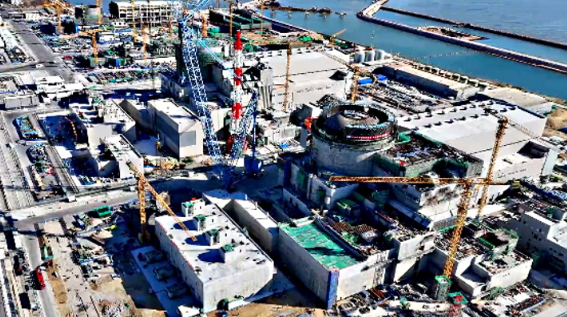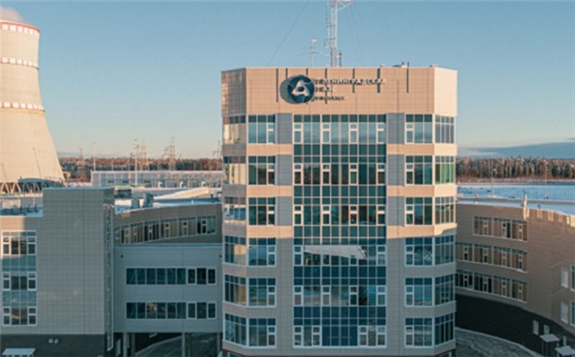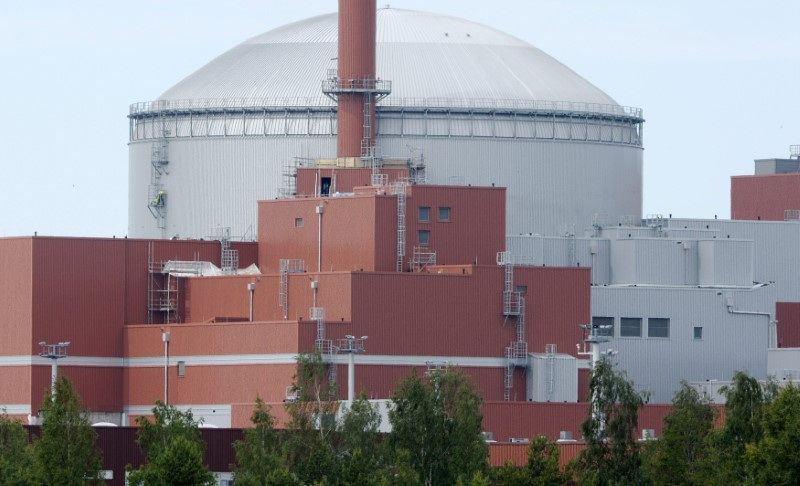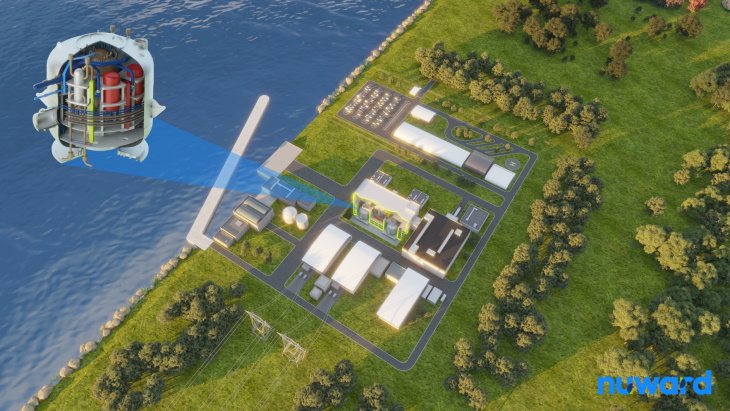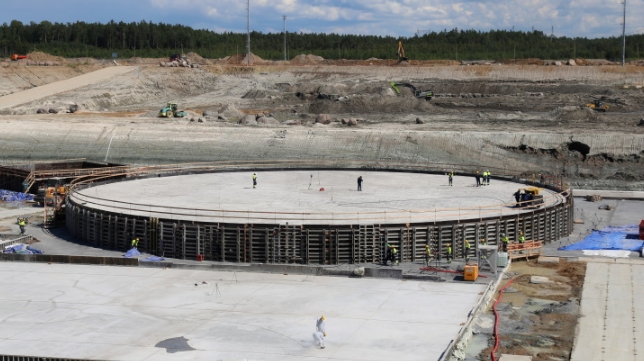
The foundation pit for the reactor of Leningrad 8 last year, it is part of a growing pipeline of new nuclear units in Russia
The proposed units, part of the Primorskaya Nuclear Power Plant project, were included in Russia’s national energy development programme extending to 2042. Rosatom, Russia’s state nuclear corporation, has approved an indicative timeline for the project, while the regional government of Primorsky Krai has expressed its commitment to investing in the initiative.
Rosatom stated: "According to a preliminary analysis of natural conditions, the most promising of the possible locations is a site near the closed administrative-territorial entity of Fokino. The final choice of the site and its justification will be carried out during the development of the justification for investments in the construction of the Primorskaya NPP. Also, by the end of this year, it is planned to hold public hearings on the issue of its placement."
Under the current schedule, construction of the first unit is expected to begin with the first concrete in December 2027, followed by commissioning in 2033. The second unit is scheduled for commissioning in 2035. The project includes the installation of two 500 kV power transmission lines extending approximately 200 kilometres to connect the new plant to the grid.
The development of the Primorskaya NPP is aligned with national goals to stimulate economic growth in Russia’s Far East. According to Rosatom, the plant will contribute to the stable supply of electricity to various consumer categories and is expected to support regional social and industrial development. It is projected to create thousands of jobs, increase tax revenues, and encourage private sector growth and entrepreneurship.
Rosatom’s Director General, Alexei Likhachev, highlighted at the St. Petersburg International Economic Forum that the overall national energy strategy foresees the addition of 30 GW of electricity and about 40 new units by 2042. He emphasized the scale and timeframe of the plan, which is to be implemented within 17 to 18 years.
In a related development, Rosatom and the government of Primorsky Krai signed an agreement in March last year to study the feasibility of deploying floating nuclear power units off the region’s coast. These units are part of broader exploration into flexible nuclear energy solutions for remote and coastal areas.
With public hearings scheduled before the end of 2025 and investment assessments underway, the Primorskaya NPP project is moving toward its next phase of implementation, forming a key part of regional and national energy infrastructure planning.