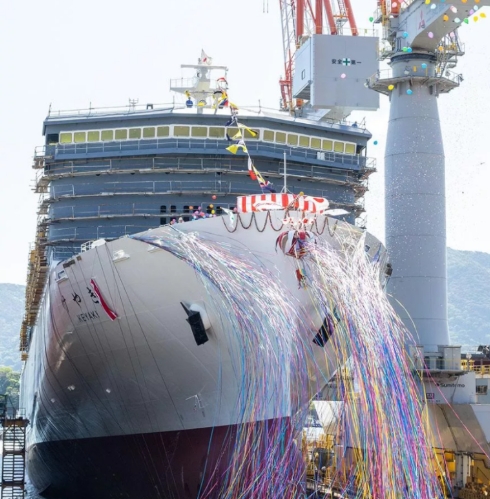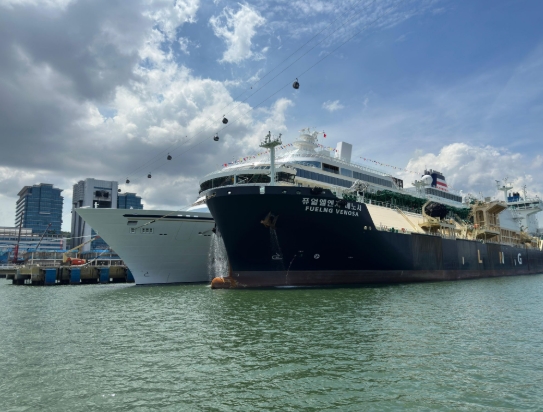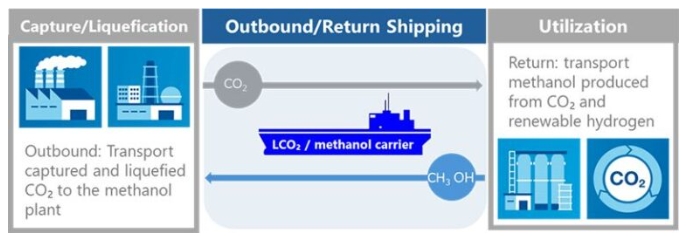
The innovative low-pressure LCO2 carrier aims to optimize transport efficiency by eliminating empty-cargo return journeys. “This dual-purpose vessel represents a significant step toward sustainable maritime transport,” a MOL spokesperson said. By integrating CO2 and methanol transport, the design enhances operational efficiency and supports the development of sustainable fuel supply chains.
With the AiP secured, MOL and Mitsubishi Shipbuilding plan to advance the vessel’s development, addressing technical challenges identified during the concept phase. The companies aim to commercialize the carrier through partnerships with supply chain stakeholders. “Collaboration with relevant partners will be key to bringing this innovative vessel to market,” a Mitsubishi Shipbuilding representative stated.
MOL is actively building supply chains for synthetic fuel and methanol, including its investment in HIF Global, a U.S.-based synthetic fuel developer. The LCO2/methanol carrier is expected to improve the economic viability of these initiatives, facilitating the transport of CO2 for carbon capture, utilization, and storage (CCUS) and methanol as a low-carbon fuel.
Mitsubishi Shipbuilding is leveraging its marine engineering expertise to support Japan’s maritime industry and global energy transition efforts. The LCO2/methanol carrier aligns with MHI’s strategy to advance CCUS value chains through collaborative innovation. “This project showcases our commitment to integrating advanced technologies and external expertise to drive sustainable maritime solutions,” an MHI spokesperson noted.
The development of the LCO2/methanol carrier marks a significant milestone in sustainable shipping, combining efficient transport with environmental benefits. By fostering partnerships and leveraging cutting-edge technology, MOL and Mitsubishi Shipbuilding aim to contribute to a low-carbon future for the maritime industry and global energy systems.