The collaboration aims to advance the development of ammonia as an alternative marine fuel and contribute to reducing emissions within the maritime sector. The decision to adopt ammonia dual-fuel technology reflects a broader industry shift towards cleaner energy sources for large-scale shipping operations.
Emma Roberts, BHP’s vice president of maritime and supply chain excellence, stated: “We believe this investment will help to build momentum in the technology, strengthen the demand for ammonia as a marine fuel, and support the reduction of greenhouse emissions in the maritime value chain. As one of the world’s largest dry bulk charterers, BHP sees this as an opportunity to help establish a pathway for ammonia to be a marine fuel for a globally significant industry where emissions can be difficult to abate.”
The agreement with COSCO Shipping Bulk is part of BHP’s ongoing strategy to support innovations that improve environmental performance in global shipping. The company has previously explored lower-emission technologies and alternative fuel use in chartering operations to align with broader sustainability goals.
Ji Lin, vice president of COSCO Shipping, also highlighted the significance of the project: “Ammonia is one of the most promising marine fuels with zero-carbon potential. These vessels will stand at the forefront of technological and environmental advancement—not just for COSCO Shipping and BHP, but for the broader dry bulk sector. They represent a firm commitment to supporting the global climate and Chinese dual-carbon goal.”
Ammonia is gaining attention as a viable zero-carbon marine fuel, particularly for large-scale international shipping. Although challenges remain in terms of storage, safety, and supply infrastructure, pilot projects and partnerships such as this one are considered key to accelerating its commercial adoption.
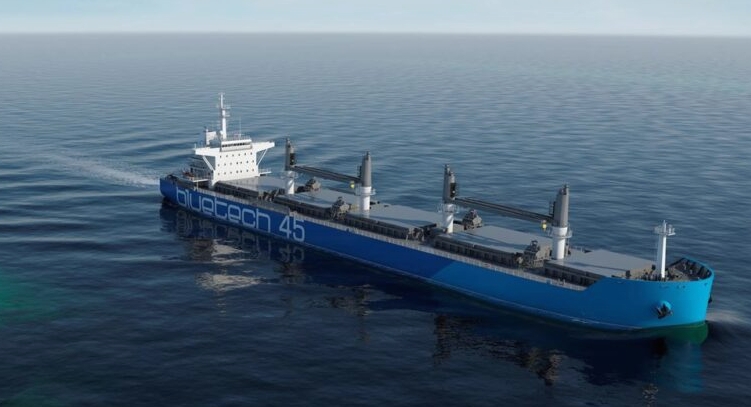
The new vessels will be among the first of their type in the global bulk shipping fleet, incorporating advanced propulsion systems that allow for significant emission reductions compared to traditional fossil-fuel-powered ships.
Through this partnership, both companies aim to promote innovation in maritime transport while contributing to global efforts to decarbonize the industry. The long-term charters also reflect a growing trend in which major commodity producers and shipping firms work together to meet environmental targets through investment in advanced ship technologies.