The survey, described by TGS as the largest of its kind, integrated data from Multibeam Echo Sounder, Sub-bottom Profiler, Side Scan Sonar, and magnetometer systems into a comprehensive dataset. This data will support geological assessments, guide site planning, and enhance risk evaluation for the Green Volt project.
TGS noted that the survey, conducted using the Ramform Vanguard vessel, achieved record-breaking metrics in channel count and streamer spread. It matched the performance of typical 4D GeoStreamer surveys, equivalent to deploying 100 kilometers of 3D GeoStreamer in data samples per second. TGS stated: “This survey is the largest of its kind to date, setting new benchmarks in channel count and streamer spread.”
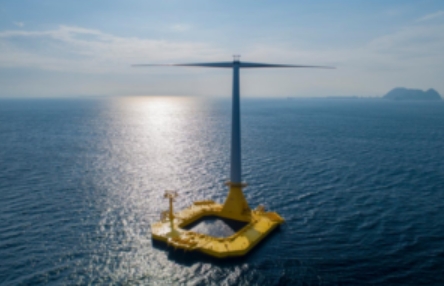
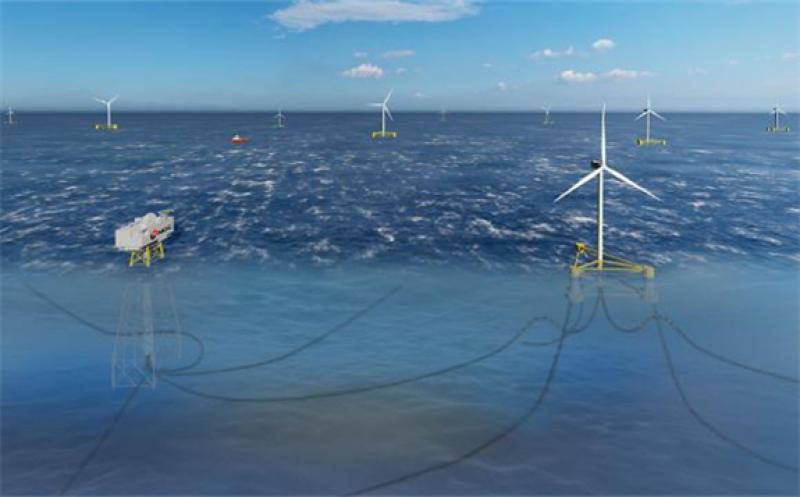
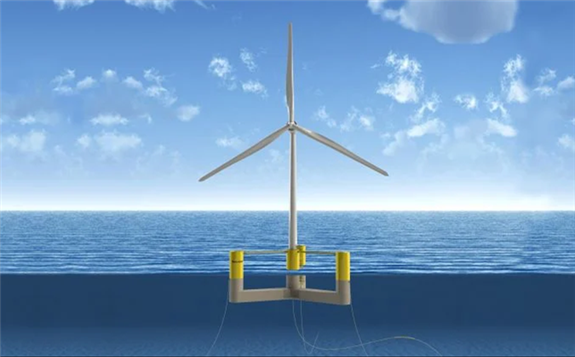
The Green Volt floating offshore wind farm, with a capacity of 560 MW, was selected by Crown Estate Scotland in 2023 as part of 13 offshore wind projects. It is part of the world’s first leasing round designed to supply renewable energy directly to offshore oil and gas platforms. The project will feature 35 floating wind turbines and is expected to generate its first power in 2029.
In 2024, Green Volt secured both onshore and offshore planning approvals, making it the only floating wind project awarded a Contract for Difference in the UK’s Allocation Round 6. This milestone supports its development timeline and underscores its role in advancing renewable energy.
Recently, Worley, an engineering firm, was awarded a Front-End Engineering and Design (FEED) contract for the project’s onshore substation. A team from Worley’s Aberdeen office will lead the engineering work, expected to span twelve months, to design critical infrastructure for the wind farm.
The Green Volt project aligns with efforts to expand renewable energy capacity in Scotland, contributing to sustainable energy production for domestic consumption. By leveraging advanced survey technology and strategic planning, the consortium aims to ensure efficient development and reliable energy output.