


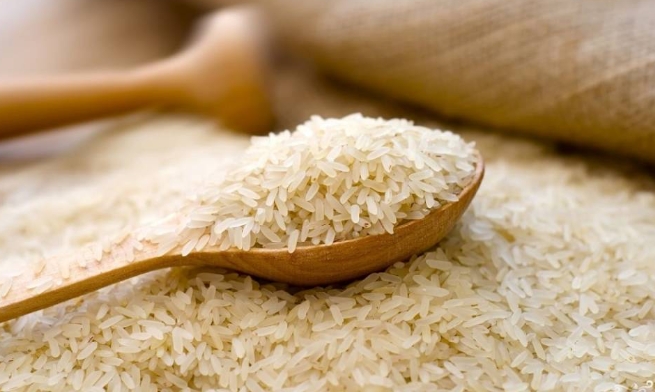
From January to June 2025, India exported 11.68 million tonnes of rice, marking a 36.5% increase compared to the previous year. Vietnam followed with 4.72 million tonnes, a modest 3.6% rise, while Thailand’s exports totaled 3.73 million tonnes, down 27.3%. Pakistan shipped 2.76 million tonnes, a 20.2% decrease, and the United States exported 1.40 million tonnes, reflecting a 23.5% decline. These figures highlight India’s dominance and Vietnam’s growing presence in the global rice trade.
Thailand’s key rice importers during this period included Iraq, purchasing 582,703 tonnes (15.6% of total exports), the United States with 430,603 tonnes (7.4%), African nations with 359,031 tonnes (2.5%), China with 332,183 tonnes, and Senegal with 165,294 tonnes. The total value of Thailand’s rice exports reached 75.57 billion baht, a 36.4% drop from the previous year, largely due to falling global rice prices.
Charoen Laothamatas, president of the Thai Rice Exporters Association, stated: “So, don’t be too happy when rice prices are high. It’s better to have a moderate price and sell a large volume.” He noted that Thailand likely exported over 600,000 tonnes in July 2025, driven by increased demand from Iraq, China, Japan, and African nations, potentially due to lower prices.
Global rice prices are expected to face ongoing pressure due to higher supply from producing countries and reduced demand, prompting exporters to lower prices to remain competitive. This trend has intensified market competition, with Vietnam’s cost-effective production and pricing strategies contributing to its rise over Thailand. The association highlighted that Vietnam’s rice, averaging $517 per tonne, remains attractive in markets like the Philippines, Africa, and China, compared to other exporters’ prices around $400 per tonne.
This development underscores the competitive nature of the global rice trade, with Vietnam strengthening its position through efficient production and pricing, while Thailand faces challenges from higher domestic prices and a stronger baht. The industry continues to adapt to shifting market demands and supply dynamics.
