


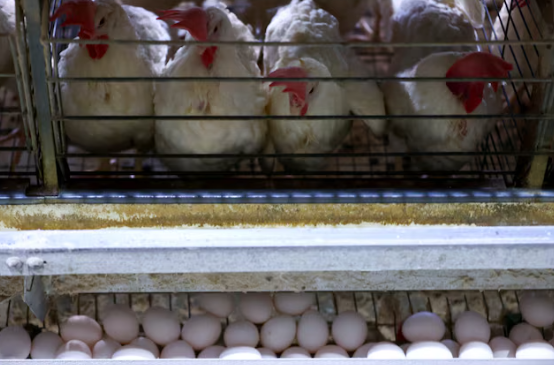
Chickens sit at a poultry farm in Westfalia, Rio Grande do Sul, Brazil, March 11, 2025.
Chile, another key market, also eased its trade restrictions on Brazilian poultry. A document issued by Chilean authorities on Thursday confirmed that Brazil can resume exporting poultry products produced after August 9, 2025. This follows a visit by Chilean officials to Brazil the previous week to assess the situation. The approved products include fertile eggs, one-day-old chicks, fresh chicken, and processed poultry items. Additionally, the document noted that Chilean authorities recognize Rio Grande do Sul as free of Newcastle disease, a highly contagious viral disease affecting birds.
At a press conference on Thursday, executives from BRF, a major Brazilian food processor, expressed optimism about the lifting of Saudi Arabia’s ban and the easing of Chile’s restrictions. They highlighted the positive impact on the company’s operations: “The reopening of these markets is a significant step for our export recovery,” said a BRF spokesperson. However, BRF’s management acknowledged that earlier trade bans, prompted by Brazil’s first bird flu outbreak on a commercial farm, had affected the company’s second-quarter poultry exports, despite strong financial results reported on Thursday.
Brazil’s poultry industry faced multiple regional and countrywide trade restrictions following the May outbreak. While some markets have gradually lifted these bans, major importers like China have not yet resumed purchases of Brazilian poultry. The industry continues to work toward regaining access to these markets while ensuring compliance with international health and safety standards.
The developments reflect ongoing efforts by Brazilian authorities and companies to restore confidence in the country’s poultry sector, a critical component of its agricultural exports. Both Saudi Arabia and Chile’s decisions mark progress in normalizing trade relations after the disruptions caused by the bird flu outbreak.
