


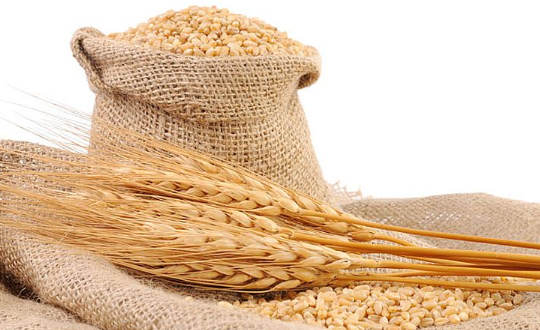
Romania led soft wheat exports with 1.26 million tons, followed by Germany with 270,300 tons. Lithuania contributed 195,600 tons, Bulgaria 183,200 tons, and Poland 164,140 tons. Data for grain exports from France are incomplete for the 2024 calendar year and unavailable for the 2025-2026 marketing season. Similarly, export data for Bulgaria and Ireland are incomplete from the start of the 2023-2024 marketing year.
The primary destinations for EU soft wheat included Saudi Arabia, purchasing 254,500 tons, followed by Morocco with 194,650 tons, Nigeria with 128,840 tons, Great Britain with 124,150 tons, and Jordan with 117,250 tons. These markets highlight the EU’s role in meeting global demand for high-quality grain.
Regarding imports, Ukraine supplied the EU with 575,800 tons of corn, 280,300 tons of soft wheat, and 170 tons of oats during the same period. These imports support the EU’s agricultural needs, complementing its domestic production and export activities.
A European Commission representative stated: “The 2025-2026 season reflects varied trends in grain exports, with barley showing growth while soft wheat faces challenges. We continue to monitor market dynamics to support our agricultural sector.”
The decline in soft wheat exports may reflect shifts in global demand or supply conditions, while the rise in barley exports indicates strong market opportunities. Romania’s leading role underscores its strategic importance in the EU’s grain trade, supported by its robust agricultural infrastructure. The contributions from Germany, Lithuania, Bulgaria, and Poland further demonstrate the region’s collective strength in grain production and export.
The EU’s grain trade, including both exports and imports, plays a vital role in global food supply chains. By engaging with key markets like Saudi Arabia, Morocco, and Nigeria, the EU supports stable agricultural trade. Ukraine’s imports of corn, wheat, and oats enhance the bloc’s supply chain, ensuring a balanced approach to meeting consumption needs. Despite incomplete data for some member states, these figures highlight the EU’s ongoing commitment to sustainable agricultural trade and global market engagement.
