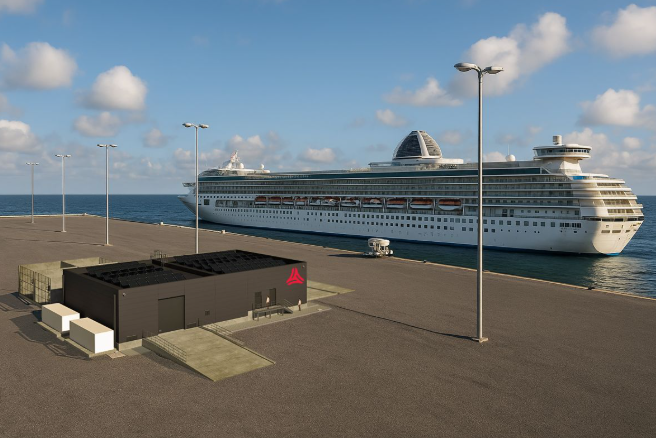
The initiative at Zweedse Kaai, which currently contributes approximately 5% of CO2 emissions from ships docked at Antwerp and Zeebrugge, aims to reduce environmental impact. By enabling cruise ships to use shore-based electricity instead of onboard engines, the port expects to decrease emissions, odor, and visual disturbances, fostering a more sustainable cruise industry. The port is also planning a second shore power installation to further enhance its capabilities.
Dirk De Fauw, Mayor of Bruges and Deputy Chair of the Port of Antwerp-Bruges Board, stated: “This project combines state-of-the-art infrastructure with quality of life by reducing emissions, odour and the generation of smoke. We purposefully set out to provide a future-proof port for cruise vessels that welcomes visitors without burdening the environment. By doing so, we are proving that sustainability and economic dynamism can go hand in hand.”
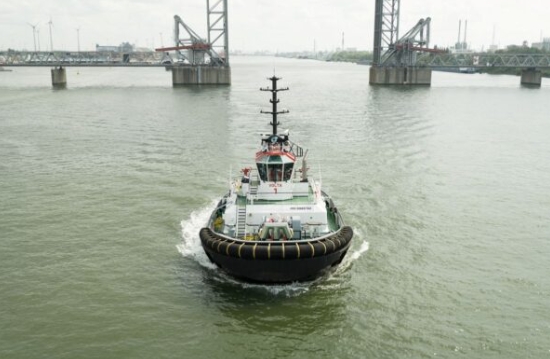
This project aligns with the port’s ambition to achieve climate neutrality by 2050. Complementary efforts include investments in alternative fuels for tugs, expanded electrification, energy-efficient buildings, and circular economy initiatives. The shore power system also supports shipping companies in meeting the climate goals of the International Maritime Organization and the European Union in a cost-effective manner.
Funding for the Zweedse Kaai project includes €3.1 million from the European Commission to address higher-than-expected costs and ensure a payback period of approximately 20 years. Additionally, the Flemish government provided €830,000 in strategic ecology support. These contributions reflect the European Commission’s focus on shore power projects as part of the Green Deal, the Sustainable and Smart Mobility Strategy, and the Alternative Fuels Infrastructure Regulation.
By advancing sustainable infrastructure, the Port of Antwerp-Bruges is positioning itself as a leader in environmentally responsible port operations. The shore power initiative at Zeebrugge is expected to enhance the region’s appeal to cruise operators while contributing to broader environmental goals, benefiting both the local community and the global maritime industry.