The company is actively engaging in discussions to secure construction and operational partnerships while exploring self-financing options. These efforts aim to streamline project delivery and reduce financial risks. NH3’s Chairman, Charles Whitfield, stated: “We are at an extremely busy but exciting stage of the project development. As an indication of how seriously the project is being taken, we are getting an increasing level of engagement with industry players who have skills, capabilities and balance sheets that they can deploy. This has opened up some exciting new avenues for taking the project into production that may offer advantages in mitigating the need to separately raise project financing and engaging separate construction and operating teams.”
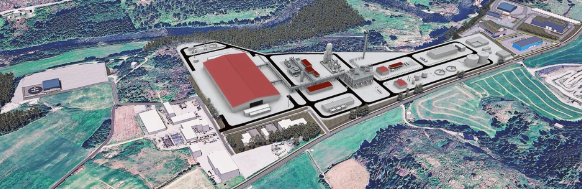
The WAH2 project, slated to commence operations in 2029, aims to produce low-emission ammonia for the Asia-Pacific market, including Japan and South Korea. It will also serve as a source of decarbonized bunker fuel for bulk carriers transporting iron ore from Australia to Asia, supporting the maritime industry’s transition to cleaner energy solutions. The initiative aligns with global efforts to reduce carbon emissions in heavy industries.
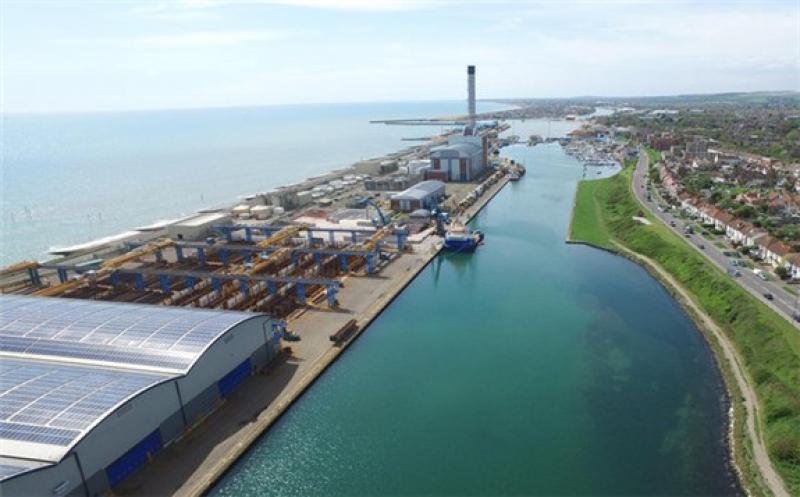
NH3 Clean Energy has partnered with Oceania Marine Energy and Pilbara Ports Authority through a joint development agreement to establish low-emission ammonia bunkering operations at the Port of Dampier. This collaboration strengthens the project’s infrastructure and operational framework, enhancing its role in the regional energy landscape.
The WAH2 project is designed to meet growing demand for sustainable fuels while fostering economic opportunities in Western Australia. By leveraging strategic partnerships, NH3 aims to accelerate project timelines and ensure reliable delivery. The focus on self-financing and integrated operations reflects a commitment to maintaining control over commercial aspects while minimizing risks.
This initiative positions NH3 Clean Energy as a key player in the clean ammonia sector, contributing to the decarbonization of maritime transport and supporting Australia’s role in the global energy transition. The project’s progress underscores the potential for innovative energy solutions to drive sustainability and economic growth in the Asia-Pacific region.