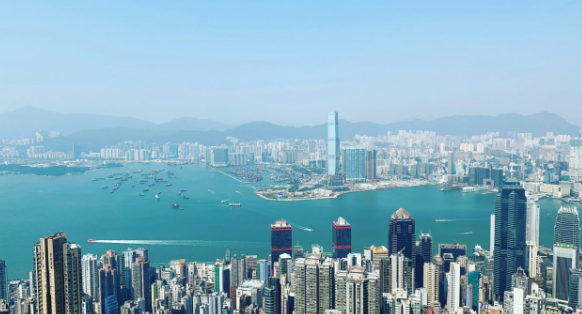
According to the partners, the venture will adopt a Charge Point Operator (CPO) model. Under this arrangement, Wah Kwong NatPower Holdings will fully finance, construct, and manage the infrastructure without requiring initial investment from port authorities. The first phase will focus on developing grid-connected infrastructure in Hong Kong, with expansion plans in Greater China and North Asian markets.
The initiative aims to enable vessels to turn off auxiliary engines powered by fossil fuels and connect to shore-based electricity at berth. This allows charging of batteries for near-shore propulsion using low-emission power sources, supporting maritime decarbonization in targeted regions. The JV intends to launch its first projects next year, focusing on high-traffic ferries, container terminals, and the cruise sector.
By 2030, Wah Kwong NatPower Holdings aims to deploy shore power facilities at more than 30 ports. A key goal is to establish Asia’s first international clean charging corridor for ships, with initial routes to Europe and the United Kingdom. Each facility will feature integrated systems including substations, battery storage, and smart grid interfaces to support both cold ironing and vessel propulsion charging.
Stefano D.M. Sommadossi, CEO of NatPower Marine UK and Joint Director of the JV, emphasized the importance of this partnership. He stated: “Asian ports are the backbone of global trade and directly on the frontlines of climate action.” He added that collaborating with Wah Kwong is critical to building infrastructure that can support net-zero shipping on a larger scale.
This model reflects NatPower Marine’s approach in Europe, where the company has already launched privately funded projects. In the United Kingdom and Ireland, it is investing £100 million (about $134 million) with Peel Ports Group to electrify major terminals and provide ship charging facilities along the Irish Sea. The project is expected to support over 3,000 vessel movements annually.
In total, NatPower Marine is pursuing an investment of around £250 million in the UK, with the broader ambition of unlocking up to £10 billion in global clean energy projects for the maritime industry. The company has also outlined plans to electrify at least 120 ports by 2030.
Through this new collaboration with Wah Kwong, NatPower Marine is extending its European experience to Asia, aiming to accelerate clean power adoption across regional shipping hubs while advancing long-term goals for sustainable maritime operations.