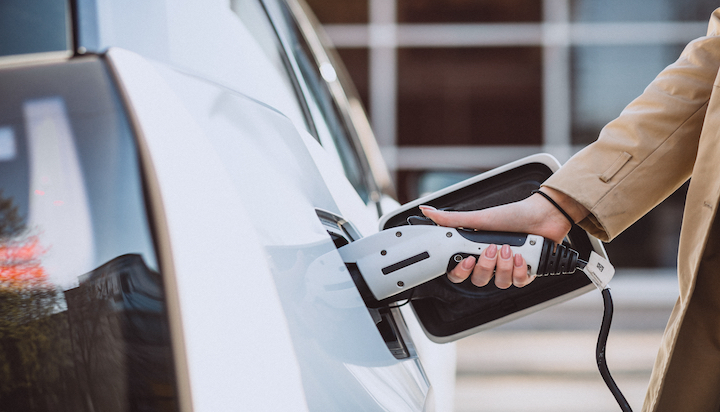
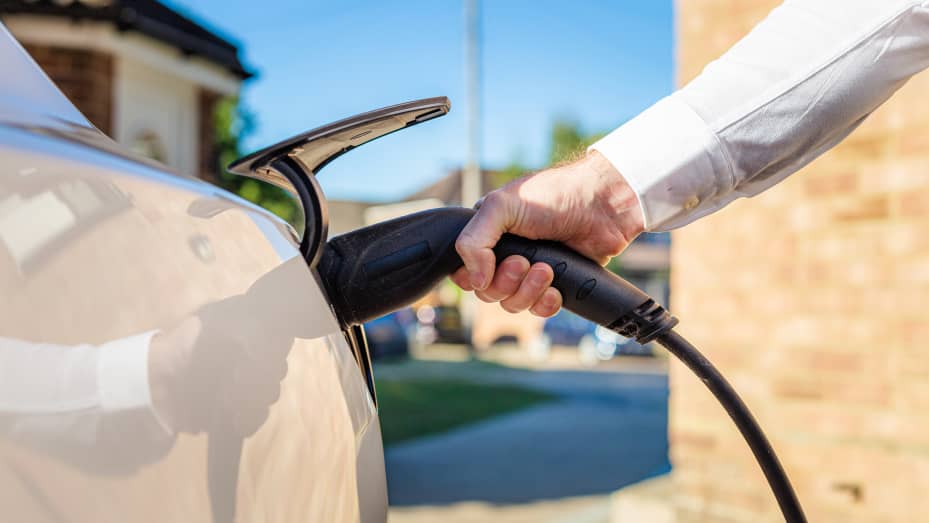
With bidirectional charging, the BMW iX3 electric vehicle becomes an active part of the electricity market. It can both draw electricity from and feed it into the grid as required. During charging, the high-voltage battery of the BMW iX3 is connected to the grid via the BMW Wallbox Professional, enabling flexible energy exchange.
The control system is operated in cooperation with E.ON through a specially developed V2G tariff. This system allows energy to be fed back into the grid using software created jointly by the two companies. BMW and E.ON emphasized that the program is designed to be financially appealing to customers. Participants can receive an annual bonus of up to €720 ($845) for making their vehicle battery available for intelligent charging and discharging through the wallbox. This bonus corresponds to the cost of driving up to 14,000 kilometers per year without additional expenses.
The bonus account is credited for every hour the vehicle is connected, allowing customers to help support the energy transition while also reducing their charging costs. According to the companies, no minimum connection time is required. Customers will also receive “fair compensation” for the energy fed back into the grid, while maintaining complete control over their charging targets. Both companies noted that the intelligent protection function integrated into the system ensures that battery life is not negatively affected by bidirectional charging.
BMW and E.ON confirmed that the solution will be expanded to include additional BMW model series beyond the iX3. The long-term goal is to integrate the product into a broader energy platform. This platform is expected to connect charging infrastructure, photovoltaic systems, heat pumps, and smart home technologies to provide a more efficient and sustainable energy ecosystem.
The project highlights the potential of electric vehicles to play a role in energy management, creating opportunities for customers to gain financial benefits while contributing to grid stability. By linking transportation and energy systems, the new V2G offer demonstrates how digital solutions and advanced infrastructure can work together to optimize electricity usage and storage.
Through this collaboration, BMW and E.ON aim to provide customers with both convenience and efficiency while supporting broader efforts to modernize the energy landscape. The Munich announcement marks an important step in transitioning V2G technology from pilot projects to commercial availability, offering households a way to actively participate in energy markets.