


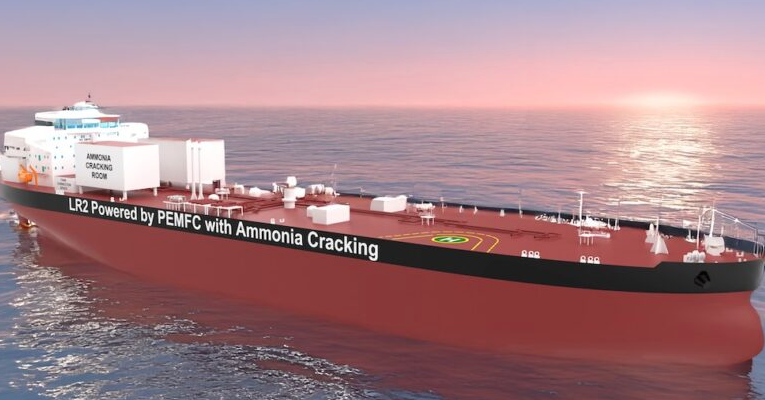
The project focuses on developing a large-scale commercial vessel that combines PEMFC systems developed by Vinssen with an ammonia cracking system (ACS) engineered by Panasia. This integrated solution is designed to provide full-scale power for propulsion, cargo handling, and onboard energy needs, moving beyond prior applications that were limited to small vessels or auxiliary loads.
“This breakthrough design will enable full-scale power for vessel propulsion, cargo handling, and onboard energy needs, surpassing previous applications, which have been limited to small vessels or auxiliary loads,” MISC stated. The company highlighted that the vessel eliminates direct CO? emissions, offering a pathway for wider adoption of ammonia-based fuel cell technology across the maritime industry.
Zahid Osman, President and Group CEO of MISC, commented: “Together with SHI and BV, we are advancing a solution that will set a new standard for sustainable shipping and inspire greater industry-wide adoption of innovative solutions that will help the maritime industry meet its net-zero ambitions.”
The approval in principle from BV represents a key step in validating the technical feasibility and regulatory compliance of this innovative design. By combining PEMFC and ammonia cracking technologies, the vessel aims to demonstrate that commercial-scale ships can operate efficiently with zero direct CO? emissions, addressing growing environmental and regulatory demands in international shipping.
The initiative reflects a broader trend toward alternative fuels and green propulsion technologies in the maritime sector. Industry experts note that ammonia, when combined with fuel cells, offers high energy density and zero direct carbon emissions, making it a promising solution for long-range commercial shipping.
MISC and SHI plan to use the AiP as a foundation for further design finalization, detailed engineering, and eventual construction. The project also aims to provide insights into operational safety, fuel management, and system integration, creating a reference for future ammonia-fuelled vessels.
This milestone underscores MISC’s commitment to decarbonization and sustainable shipping innovation, demonstrating the potential for integrating advanced fuel cell systems into large commercial vessels. By pioneering this approach, the company aims to contribute to global efforts to reduce maritime emissions while maintaining operational efficiency and reliability.
