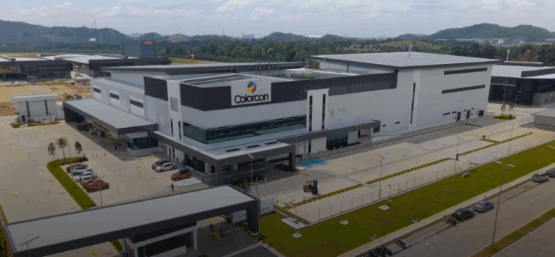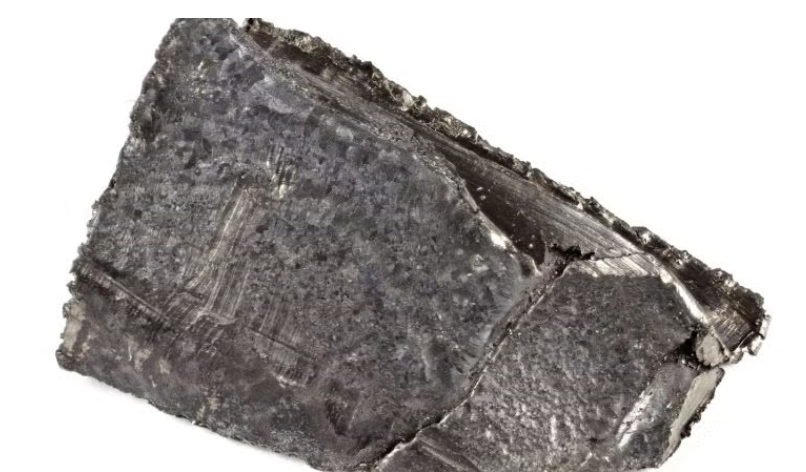
The current production at Lynas Malaysia includes light rare earth products as well as separated dysprosium and terbium oxide.
The feedstock will primarily come from Lynas’ high-grade Mt Weld rare earth deposit, with potential supplementation from ionic clay deposits in Malaysia. Currently, Lynas Malaysia produces light rare earth products and separated dysprosium and terbium oxides. The new facility aims to expand HRE production capacity and offer a broader range of products essential for modern manufacturing and advanced technology applications.
Lynas will self-finance the project following a successful equity raise in September 2025, with an estimated cost of approximately RM500 million ($118.37 million). The construction schedule depends on receiving regulatory approvals, and ongoing discussions with offtake partners aim to secure fair pricing for the expanded HRE product portfolio.
The facility will be built in phases, prioritizing specific products. Initial production of samarium from Mt Weld feedstock is expected in April 2026. Over the next two years, the first suite of separated HREs will become available, including dysprosium, gadolinium, lutetium, samarium, terbium, and yttrium. Any further investment in the processing flowsheet to produce additional HREs will rely on confirmed commercial agreements that justify expansion.
The project will utilize Lynas’ internal expertise and facilities to ensure efficient execution. It represents a significant step in providing a secure, independent source of HRE oxides for customers globally, supporting the production of high-performance magnets, electronics, and other critical industrial applications.
In a related development, Malaysian Trade Minister Tengku Zafrul Aziz stated that Malaysia will maintain its ban on exporting raw rare earths, despite a critical minerals agreement with the US. Speaking in parliament, he emphasized that the country will not supply critical minerals or rare earths solely for immediate profits or strategic purposes. Malaysia reportedly holds 16.1 million tonnes of rare earth deposits but currently lacks the necessary domestic technology for large-scale mining and processing.
This expansion by Lynas, combined with Malaysia’s regulatory approach, highlights the country’s strategy to develop its domestic processing capabilities while ensuring long-term control over critical mineral resources. The project also aligns with global efforts to diversify HRE supply chains beyond traditional sources.
By progressively scaling production and introducing a wider suite of HRE oxides, Lynas aims to strengthen its position as a reliable HRE supplier, addressing industry demand for high-performance materials in energy, electronics, and advanced manufacturing sectors.