


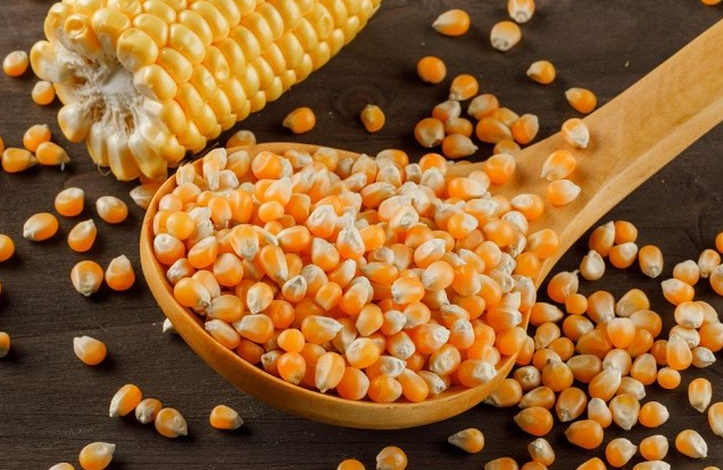
To protect local producers, the Cabinet introduced a “3:1 rule,” requiring importers to purchase three parts of locally produced corn for every one part imported. The temporary import window from February to June is also designed to prevent downward pressure on domestic corn prices during the local harvest period.
Thailand consumes approximately 9 million tons of corn each year, with imports accounting for around 4–5 million tons of total demand. The increased import quota is intended to ensure sufficient supply for the country’s livestock and feed industries, which rely heavily on corn as a key raw material. Officials noted that the measure supports feed production and food security, particularly during periods when domestic output cannot fully meet industrial needs.
In addition to corn, the Cabinet approved the import of soybean meal from 11 international suppliers for the 2026–2028 period, applying a reduced tariff rate of 2%. The policy aims to enhance the availability of essential feed ingredients and maintain stability within Thailand’s agricultural sector.
Siripong emphasized that the measures strike a balance between ensuring an adequate supply of imported feedstock and safeguarding the livelihoods of local farmers. He added that these trade adjustments form part of the government’s broader strategy to strengthen the country’s agricultural competitiveness while maintaining price stability in the domestic market.
The Ministry of Commerce and the Ministry of Agriculture and Cooperatives will jointly monitor the implementation of the import program to ensure compliance with the 3:1 purchasing rule and to assess its effect on farmgate prices. Authorities will also coordinate with livestock producers and feed manufacturers to optimize import scheduling and manage supply chain efficiency.
Through these adjustments, Thailand aims to secure sufficient agricultural inputs for its growing livestock sector while continuing to support domestic production and maintain equilibrium between imports, local output, and overall consumption.
