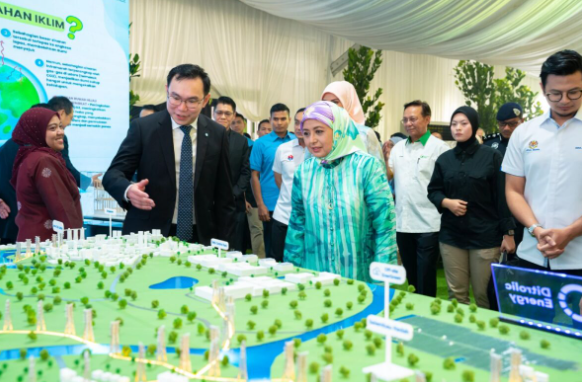
The Queen of Malaysia inspecting a model of the zone to be developed
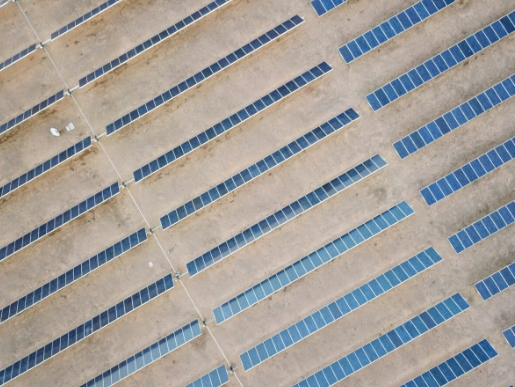
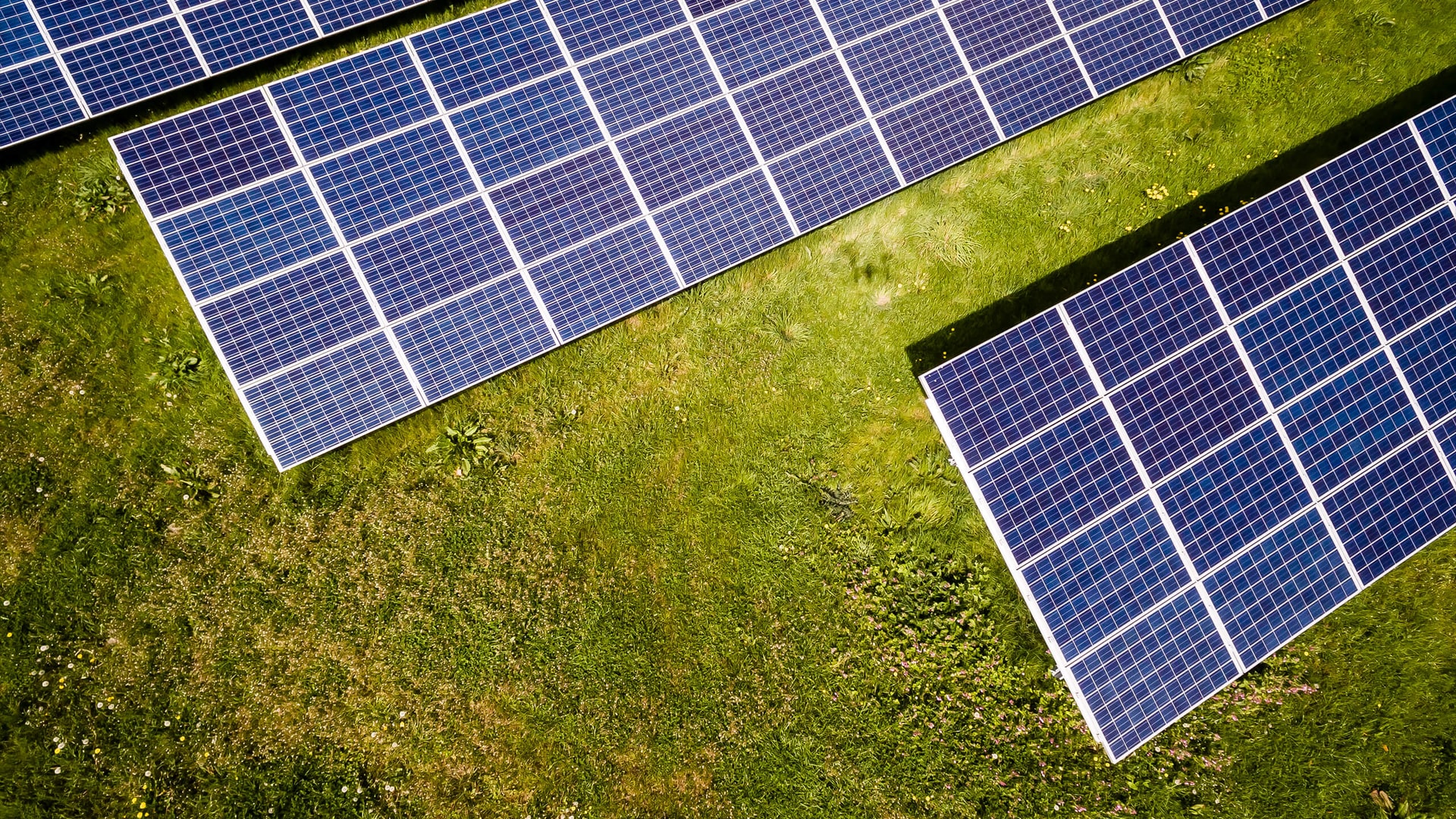
The project will feature a large-scale hybrid solar and battery energy storage system across an area of approximately 2,000 square kilometres. The first phase is planned to cover around 10,000 acres and include up to 4 GW of solar photovoltaic capacity combined with 5.12 GWh of energy storage.
The initiative aligns with multiple strategic frameworks. It contributes to the ASEAN Power Grid (APG) concept, which promotes cross-border electricity exchange across Southeast Asia. The corridor will enable direct power interconnection between Johor and Singapore, supporting the development of the Johor–Singapore Special Economic Zone (JS-SEZ).
The agreement also advances the objectives of the Johor Renewable Energy Policy 2030 and the Johor Green Development Policy 2030, which focus on accelerating clean energy deployment and sustainable economic growth in the state.
The cooperation document, exchanged among key stakeholders including the Johor state government and international partners, establishes a foundation for coordinated project implementation, technical collaboration, and potential future financing from the World Bank and other institutions.
By combining substantial solar generation with large-scale energy storage, the corridor will provide flexible, dispatchable renewable power capable of meeting both domestic needs and export requirements. The integration with regional transmission networks will enhance energy security and support the efficient utilisation of renewable resources across borders.
The SJREC represents one of the largest planned renewable energy zones in Southeast Asia and demonstrates growing momentum toward interconnected clean energy systems in the region. Once operational, it will contribute significantly to Malaysia's renewable energy targets while strengthening electricity trade links with neighbouring countries.
Further details on the final project scope, timeline, and additional investment commitments are expected as development progresses. The initiative underscores the increasing role of hybrid renewable projects in enabling reliable, low-carbon power supply at scale.