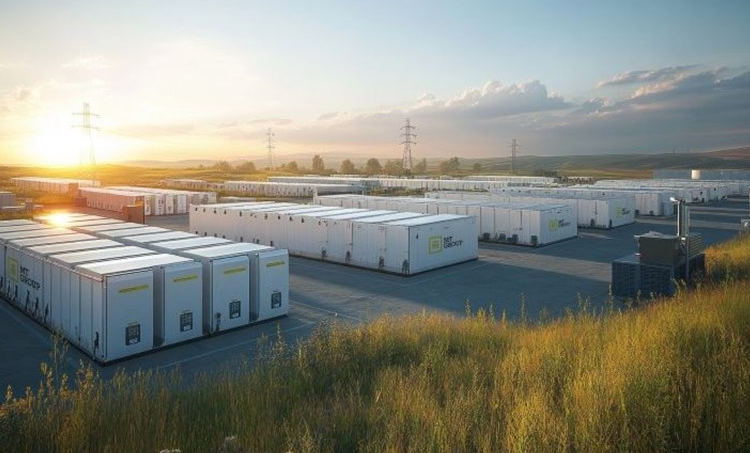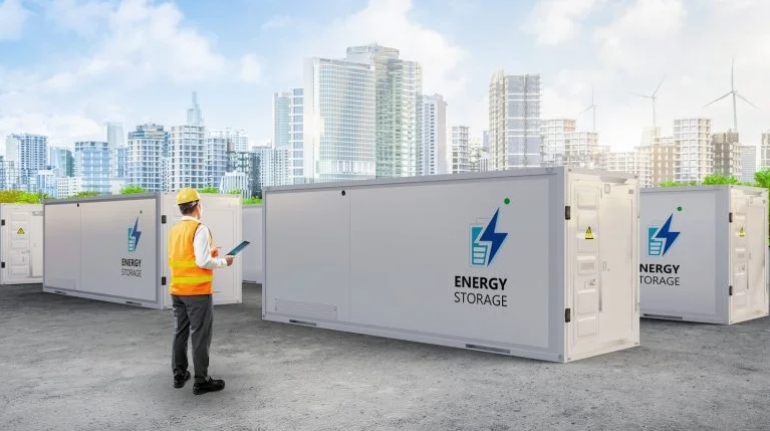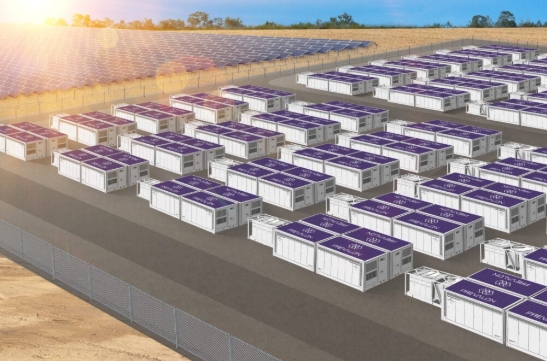
The test simulated a thermal runaway event in a fully operational HD5 unit. Four enclosures were arranged in a standard back-to-back, side-to-side configuration, with the initiating unit subjected to intense conditions to trigger full thermal propagation. The results showed that the fire was confined to the initiating unit, with no impact on adjacent enclosures and all battery modules remaining below critical thermal thresholds.
Alejandro Schnakofsky, Chief Technical Officer at Prevalon Energy, stated: “Ensuring the safety and reliability of our energy storage systems is paramount. The successful completion of this rigorous testing validates our design approach and provides our customers with confidence in the robustness of our solutions.”
The HD5 Platform incorporates advanced fire mitigation features, including thermal barriers and optimized component layouts, to isolate and contain thermal incidents. Prevalon Energy confirms that these systems comply with the latest UL and NFPA safety standards, enhancing the safety of its energy storage solutions.
Tom Cornell, President and CEO of Prevalon Energy, emphasized the significance of the achievement, saying: “Safety and reliability are critical for energy storage. The completion of this Large-Scale Fire Test is a true testament to the dedication of our team in delivering not only cutting-edge technology but also peace of mind to our customers.”
Beyond safety, Prevalon is addressing community concerns by developing low-noise solutions to meet stringent sound regulations. In February 2024, Mitsubishi Power restructured its battery energy storage solutions (BESS) business into Prevalon Energy, an independent entity. Prevalon inherits a robust portfolio, with over 30 projects and three gigawatt hours of utility-scale BESS deployed globally.
Prevalon’s project pipeline now exceeds 30 initiatives, totaling more than four gigawatt hours of energy storage capacity. In May 2024, Prevalon marked a milestone when the first of three Origis Energy solar-plus-storage projects, featuring a 50 MW BESS supplied by Prevalon, began operations in Mississippi at the Golden Triangle II site.