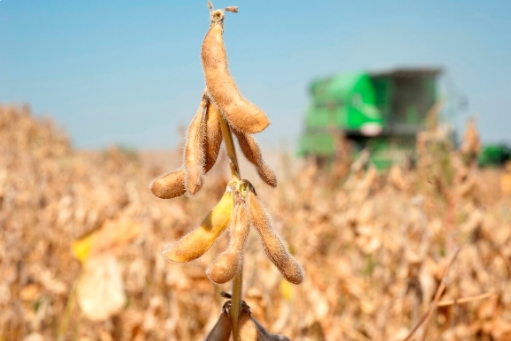
Weather in April and May 2025 will play a critical role in crop yields, particularly for corn, but the report anticipates improved conditions during the second half of the year with the second harvest. This is expected to stabilize feed costs and support continued growth in the livestock sector.
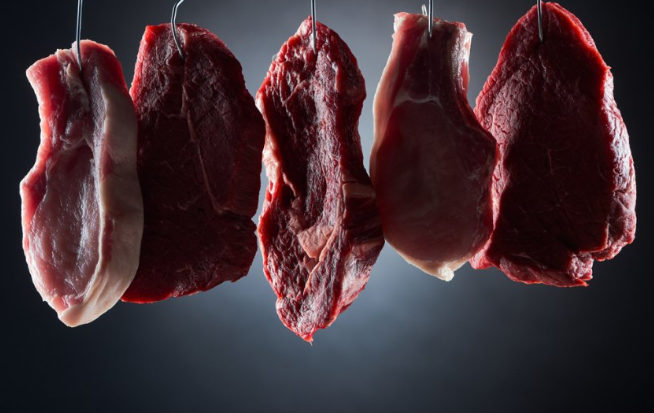
The report indicates no signs of overproduction, with slaughter rates remaining sustainable. This balance ensures stability in the domestic market while positioning Brazil to meet international demand. In 2025, pork production is projected to increase by 2.2%, reaching 4.6 million tons, while exports are expected to rise by 4.5%, totaling 1.6 million tons.
A spokesperson from Itaú BBA noted: “Exports will remain crucial in the context of global trade dynamics, which could benefit Brazil.” The country is poised to expand its global pork market share from 15% to 16%, reinforcing its position as the only top-five exporter showing growth. This growth comes as global trade patterns shift, providing opportunities for Brazil to strengthen its role in international markets.
The report also highlights that China, a major pork importer, is expected to reduce its purchases for the fifth consecutive year, forecasting imports of 1.3 million tonnes in 2025. Despite this decline, Brazil’s export growth is driven by demand from other markets and its competitive production capabilities.
Brazil’s pork and poultry sectors benefit from efficient production systems and favorable exchange rates, which enhance export competitiveness. The projected growth in 2025 aligns with the country’s long-term strategy to expand its presence in the global protein market while maintaining domestic supply stability.
The Itaú BBA report underscores the resilience of Brazil’s livestock industry, with the second harvest expected to mitigate feed cost pressures. By leveraging its agricultural strengths, Brazil aims to solidify its role as a leading exporter, contributing to global food security and economic growth in 2025.