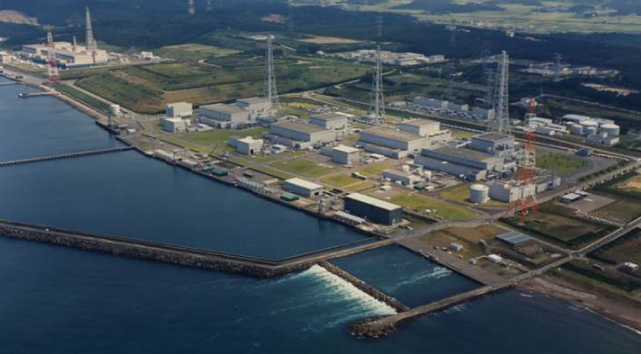
The Garoña NPP, which began operations in 1971 and had a capacity of 446 MWe, was Spain’s oldest nuclear plant. It ceased operation in 2012 after Nuclenor, a joint venture between Endesa and Iberdrola, objected to a new tax. Although it had a permit to operate until 2019, the plant was formally shut down in 2017. In July 2023, Spain’s Ministry for the Ecological Transition & Demographic Challenge (Miteco) authorized the start of the decommissioning process and the transfer of ownership from Nuclenor to the radioactive waste management agency, Empresa Nacional de Residuos Radiactivos (Enresa).
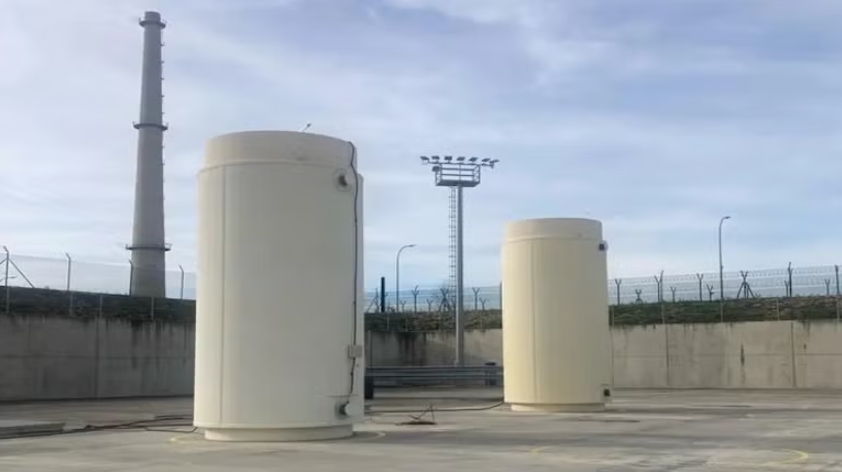
The CSN has now conditionally approved a design modification to expand the capacity of the Individualised Temporary Storage Facility (ATI), which was completed in 2017. This modification includes updates to the Safety Study and the Technical Operating Specifications for the facility. The first used fuel was placed in the ATI in July 2022, and all used fuel is expected to be transferred there by 2027. The decommissioning of Garoña is expected to take place over two phases and will last until 2033, with a budget of €475 million ($533 million).
In Phase 1 (2023-2026), the dismantling of the turbine building and other systems, structures, and components will occur. Necessary modifications to the systems and facilities to manage resulting waste will also be carried out. At the same time, used fuel will be evacuated from the plant's storage pool to the ATI. In Phase 2 (2027-2033), after the used fuel is transferred, the final dismantling of the radiological buildings will take place, including decontamination, declassification, and demolition, concluding with the restoration of the site.
Looking ahead, Enresa plans to resume loading nuclear fuel into ENUN 52B containers following the expansion of the ATI. The company has already modified its 2020 contract with Equipos Nucleares SA (Ensa) for the supply of 44 containers. Once the containers are available, Enresa aims to begin loading them by 2027. To ensure smooth integration, the used fuel elements will be checked for compatibility with the containers. By 2028, when the fuel loading is completed, the auxiliary ATI facility will be operational and able to accommodate the containers, adding nearly 1,000 square meters of additional storage space.