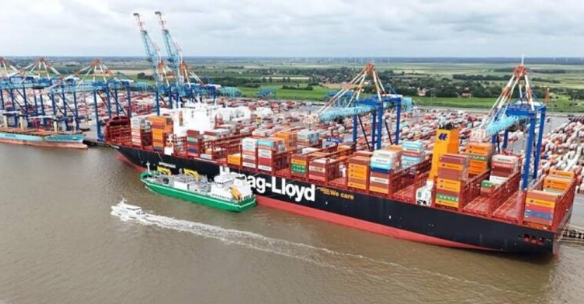
The voyage utilized an ISCC/EU-certified B24 biofuel blend, consisting of 24% biofuel and 76% very low sulfur fuel oil, bunkered at the Port of Houston, Texas. The vessel then loaded 30,000 metric tonnes of wood pellets in Mobile, Alabama, before sailing to Réunion, a French department in the Indian Ocean, where the pellets were discharged.
Mikkel Marconi, Commercial Lead Biofuel at Norden, stated: “Until now, we have not been able to source biofuel in the US. With a new bunker collaboration, we are now able to further accelerate our ambition to lower our customers’ supply chain emissions in the here and now in a new region.”
Headquartered in Copenhagen, Norden has been active in the biofuel sector since 2018, when it conducted its first commercial 100% biofuel voyage. The company has since invested significantly in biofuels, recognizing their potential to reduce shipping emissions. Many marine biofuels can cut well-to-wake emissions by over 70%, depending on feedstock and production processes, supporting the industry’s 2050 net-zero target.
In 2023, Norden strengthened its renewable fuel supply by acquiring a minority stake in MASH Makes, a biofuel scale-up. In April this year, the two completed a pioneering trial, described as the “world’s first” commercial vessel test using biofuel from a carbon-negative process. The trial involved a B20 biofuel blend in a ship’s auxiliary engine on a round-trip from Singapore to Brazil, demonstrating a viable method for shipowners to reduce emissions without new infrastructure.
In 2024, Norden introduced a book and claim solution, enabling users in maritime supply chains to account for emissions reductions from biofuel voyages, even when biofuels are not available for specific routes. This initiative enhances flexibility in achieving sustainability goals.
Norden’s inaugural US biofuel voyage marks a significant step in expanding the use of clean fuels in shipping, contributing to environmental sustainability and supporting customers’ efforts to lower emissions across global supply chains.