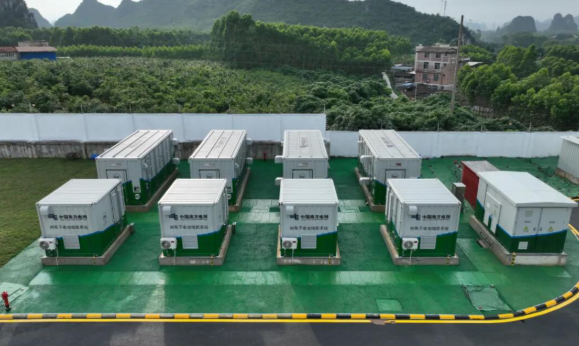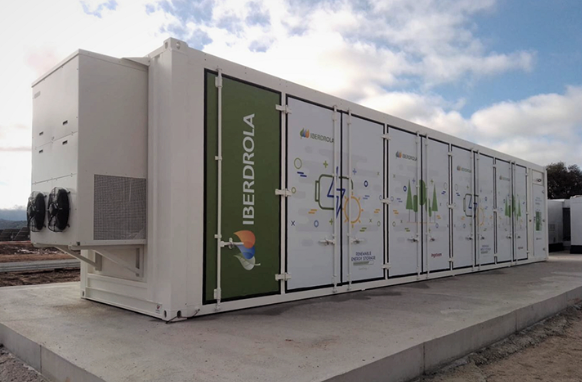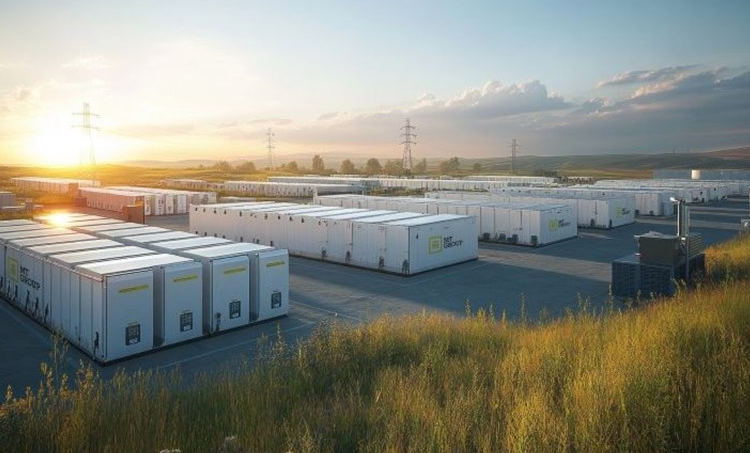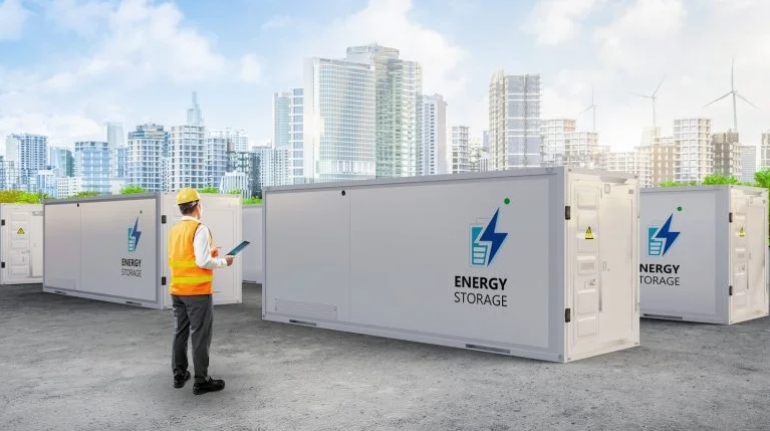
The Little River BESS can store up to 770 megawatt-hours of renewable energy generated during periods of high production, such as from solar or wind sources. This stored energy can power more than 121,000 households during peak demand, enhancing grid reliability and supporting affordable electricity for consumers. By connecting to the existing 220kV network, the project minimizes the need for new infrastructure, reducing costs and environmental impact.
Valued at $350 million, the project will create 55 jobs during construction and sustain five permanent positions once operational. Its strategic location near a quarry and existing transmission lines further optimizes efficiency, aligning with efforts to balance economic and environmental priorities. The BESS is expected to begin construction soon, with completion anticipated within the next few years, contributing to local employment and energy security.
The Development Facilitation Program, expanded last year to include renewable energy projects, streamlines planning processes to accelerate sustainable energy solutions. Previously, such projects faced delays of up to two years due to lengthy approvals. The program’s success is evident in prior projects, such as ACEnergy’s Joel Joel BESS, approved rapidly last year. The Little River project advances Victoria’s ambition to significantly increase renewable energy usage in the coming decade.
Sonya Kilkenny, Victoria’s Minister for Planning, stated: “Renewable energy is the cheapest form of new build energy available – that’s exactly why we’re fast-tracking decisions on projects like this, to provide cheaper and cleaner energy for more Victorians.” Her remarks underscore the government’s focus on delivering cost-effective, sustainable energy to residents.
ACEnergy is developing multiple energy storage projects across Australia, including in New South Wales and Queensland, to support the integration of renewable energy into the national grid. The Little River BESS exemplifies how advanced storage solutions can reduce reliance on traditional energy sources, fostering a more resilient and sustainable energy ecosystem. By enabling efficient energy distribution, the project helps address fluctuations in renewable generation, ensuring consistent supply for households and businesses.
This initiative reflects Victoria’s broader commitment to renewable energy innovation. As energy storage becomes increasingly vital to grid stability, projects like Little River pave the way for a cleaner, more efficient energy future, benefiting both the economy and the environment.