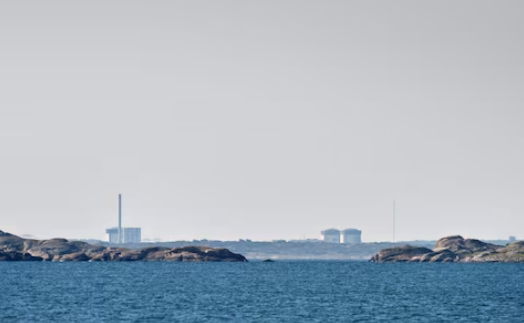
The Ringhals nuclear power station is seen on the southwest coast of Sweden, near Gothenburg, June 21, 2012.
Energy Minister Ebba Busch said on X: “We need more stable, fossil-free electricity at a competitive price. This is the way we can support growth, our defence capabilities, and make sure Swedish families get electricity at a reasonable price every day.”
Sweden’s six existing reactors, built in the 1970s and 1980s, generate 30% of electricity, with hydropower at 40% and wind at 20%, making the energy mix nearly fossil-free. With demand expected to double to 300 terawatt hours in 20 years, nuclear power is seen as vital for industries like green steel, biofuels, and hydrogen production.
The government emphasizes nuclear’s reliability among fossil-free energy sources. A 2024 white paper estimated state loans of 300–600 billion crowns ($31–62 billion) for developers, with 40-year price guarantees. Costs to consumers were not specified.
Critics argue nuclear is expensive and slow, favoring faster-deployable wind and solar. Birger Lahti of the Left Party said: “It is an item of religious faith for this government to build nuclear power whatever the price.” Opposition parties rejected the bill, and with an election next year, the plan’s future is uncertain.
Vattenfall, a state-owned company, has advanced reactor plans but will delay investment decisions until the decade’s end.