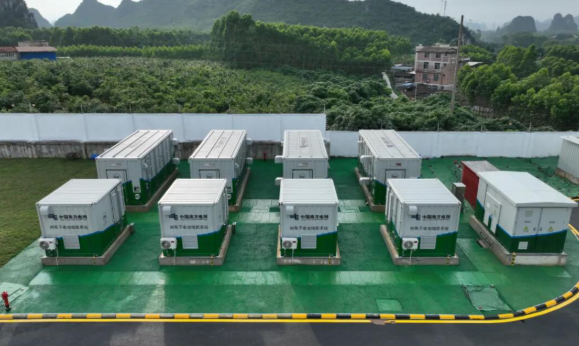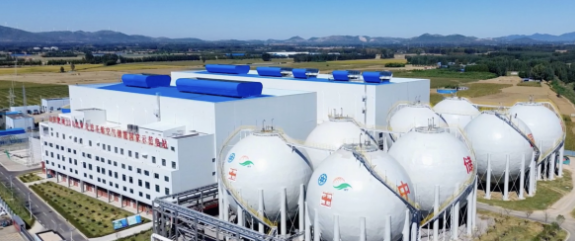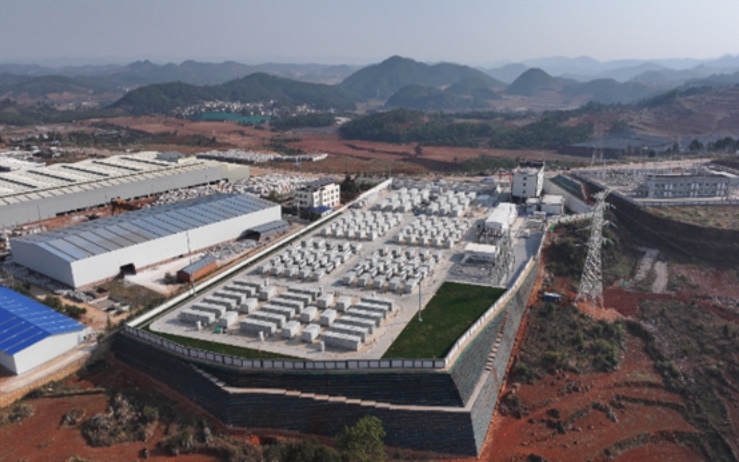
Baochi Energy Storage Station, China's first large-scale lithium-sodium hybrid energy storage station, starts operations in Southwest China's Yunnan Province on May 25, 2025.
The Baochi Energy Storage Station, with a capacity of 400 megawatt-hours, can store and release 580 million kilowatt-hours of electricity annually, based on two daily charge-discharge cycles. This output meets the yearly electricity needs of approximately 270,000 households, with 98 percent derived from renewable sources. The station employs China’s first large-capacity sodium-ion battery, which responds six times faster than existing models, and combines it with established lithium technology for improved energy regulation.
Wu Bin, deputy manager of the Baochi Energy Storage Station project, stated: “The station serves over 30 wind and solar power plants in Yunnan. The lithium-sodium hybrid technology enables more stable integration of large-scale renewables into the power grid and supports future participation in electricity market trading.” The hybrid system offers a longer cycle life and operates effectively in temperatures from -20°C to 45°C, providing a robust solution for large-scale energy storage.
Yunnan, a region with over 60 million kilowatts of installed renewable capacity and a 70 percent renewable penetration rate, relies heavily on clean energy. The high proportion of renewables increases grid volatility, making advanced energy storage solutions like Baochi critical for stability. The station’s technology helps balance supply and demand, ensuring reliable power delivery.
Sodium-ion batteries, utilizing abundant resources from salt mines, seawater, and salt lakes, offer a cost-effective alternative to lithium-ion batteries, which dominate 97 percent of China’s energy storage market. The availability of sodium, with resources in Chaka Salt Lake alone surpassing global lithium reserves by 500 times, reduces reliance on imported lithium materials, enhancing resource security.
The Baochi Energy Storage Station represents a significant advancement in China’s new energy storage industry, broadening the application of sodium-ion technology and supporting the growth of a sustainable energy ecosystem. Experts highlight the favorable properties of sodium batteries, including stable performance across a wide temperature range, positioning them as a promising option for future energy storage needs.